
What Is Activated Carbon and How Does It Work? A Complete Guide for Water Treatment
Activated carbon is one of the most effective and widely used filtration materials in the world. From drinking water purification to industrial wastewater treatment, activated carbon plays a critical role in removing contaminants, odors, colors, and organic compounds from water.
Due to its excellent adsorption capacity and cost-effectiveness, activated carbon has become an essential material in municipal water treatment plants, industrial facilities, environmental protection projects, and household filtration systems.
In this guide, we will explain what activated carbon is, how it works, and why it is widely used in water treatment applications.
What Is Activated Carbon?
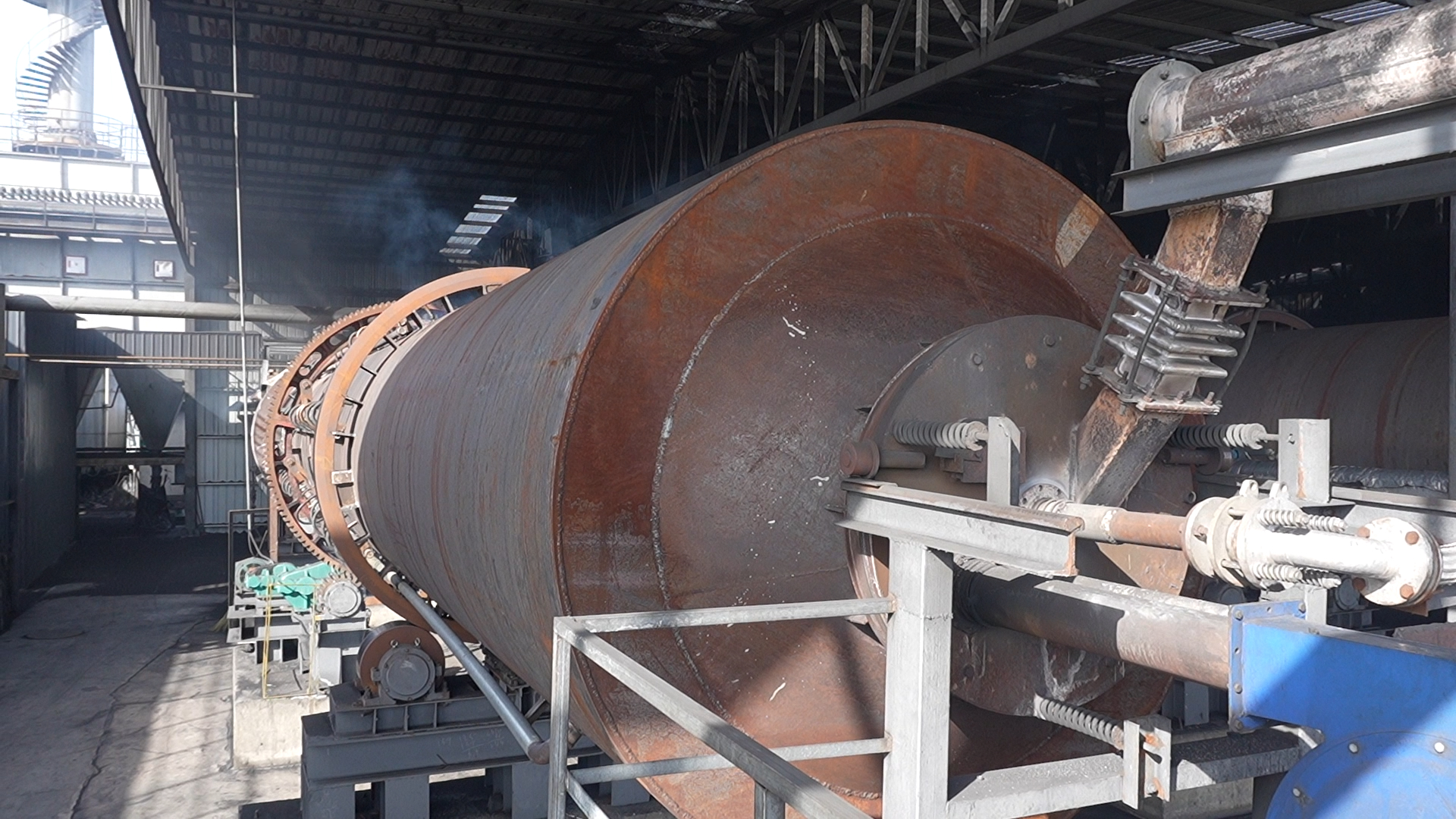
Activated carbon is a highly porous carbon material produced from carbon-rich raw materials such as coal, coconut shells, wood, or other organic substances. Through a controlled carbonization and activation process, millions of microscopic pores are created inside the material.
These pores dramatically increase the surface area of the carbon. In fact, a single gram of activated carbon can have a surface area of more than 500 to 1,500 square meters.
This enormous surface area allows activated carbon to capture and hold contaminants from liquids and gases through a process known as adsorption.
How Does Activated Carbon Work?
The primary function of activated carbon is adsorption.
Adsorption is different from absorption. In absorption, substances are taken into the internal structure of a material. In adsorption, contaminants attach to the surface of the activated carbon.
When water flows through activated carbon, pollutants are attracted to the carbon surface and become trapped inside its extensive network of pores. This process effectively removes unwanted substances from the water.
Activated carbon can remove a wide range of contaminants, including:
- Organic compounds
- Chlorine and chloramine
- Unpleasant odors
- Color-causing substances
- Industrial chemicals
- Pesticides and herbicides
- Volatile organic compounds (VOCs)
Why Is Activated Carbon Used in Water Treatment?
Water treatment facilities around the world rely on activated carbon because of its ability to improve water quality without introducing harmful chemicals.
Removal of Organic Pollutants
Industrial wastewater often contains dissolved organic compounds that can negatively affect water quality. Activated carbon effectively adsorbs these compounds, helping facilities meet environmental regulations.
Elimination of Odors and Taste
Activated carbon removes unpleasant odors and tastes caused by chlorine, algae, and organic matter. This makes it particularly valuable in drinking water treatment.
Reduction of Chemical Residues
Many industrial processes generate wastewater containing chemical residues. Activated carbon helps reduce these contaminants before discharge or reuse.
Environmental Protection
Activated carbon supports sustainable water management by reducing pollution and improving the quality of treated water released into the environment.

Types of Activated Carbon
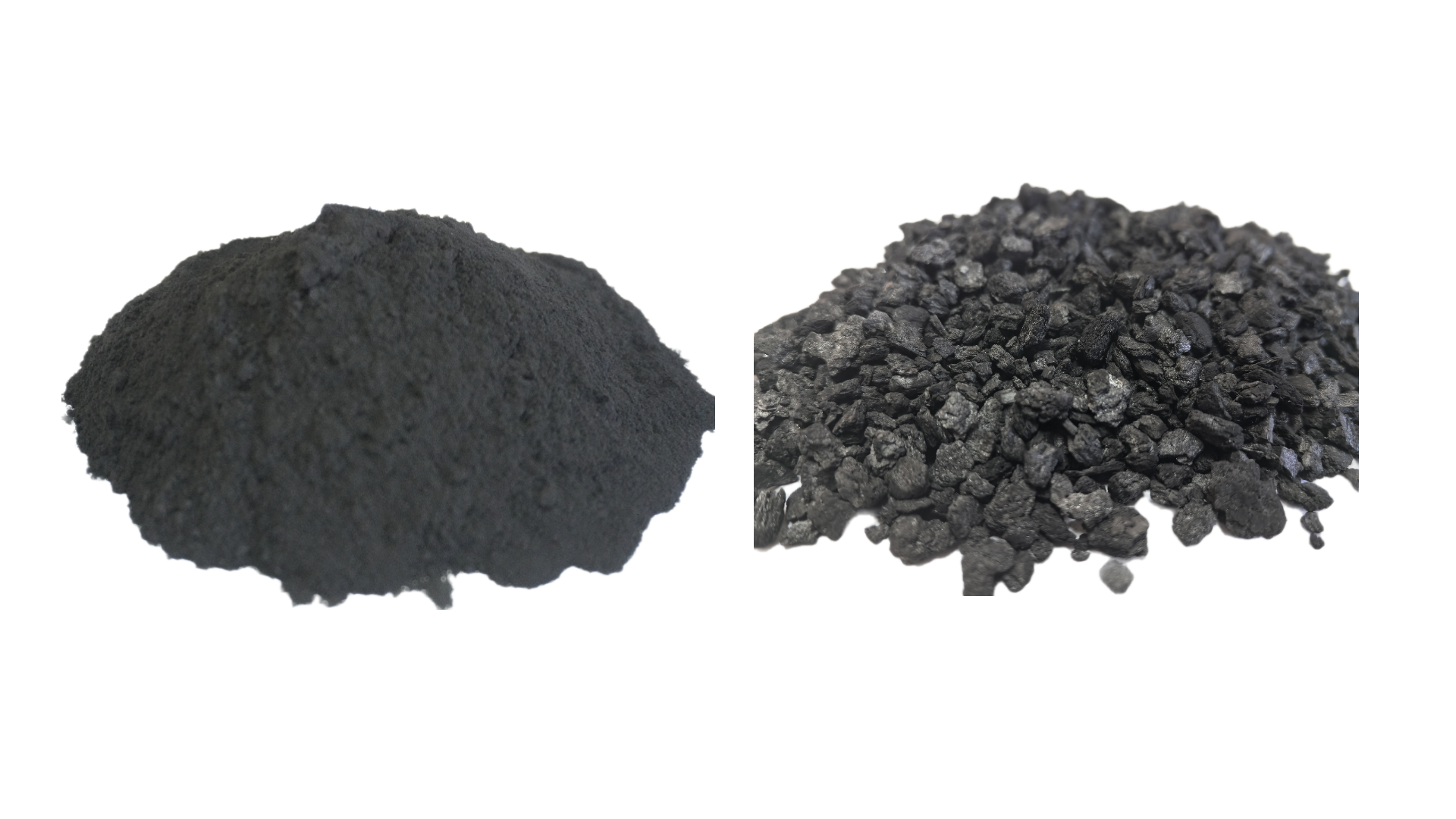
There are several forms of activated carbon available for different applications. The two most common types used in water treatment are Powdered Activated Carbon (PAC) and Granular Activated Carbon (GAC).
Powdered Activated Carbon (PAC)
Powdered Activated Carbon consists of fine particles with a large external surface area.
Advantages:
- Rapid adsorption rate
- Easy dosing into treatment systems
- Effective for emergency contamination control
Common Applications:
- Municipal water treatment
- Industrial wastewater treatment
- Odor control systems
- Chemical processing plants
Granular Activated Carbon (GAC)
Granular Activated Carbon consists of larger particles designed for filtration systems.
Advantages:
- Longer service life
- Suitable for continuous operation
- Can be used in fixed-bed filters
Common Applications:
- Drinking water treatment
- Industrial filtration systems
- Groundwater remediation
- Air and gas purification
Coal-Based Activated Carbon Advantages
Coal-based activated carbon is one of the most widely used activated carbon products in industrial applications.
Manufactured from high-quality anthracite coal, it offers several important benefits:
- High mechanical strength
- Stable adsorption performance
- Low ash content
- Cost-effective solution
- Suitable for large-scale industrial projects
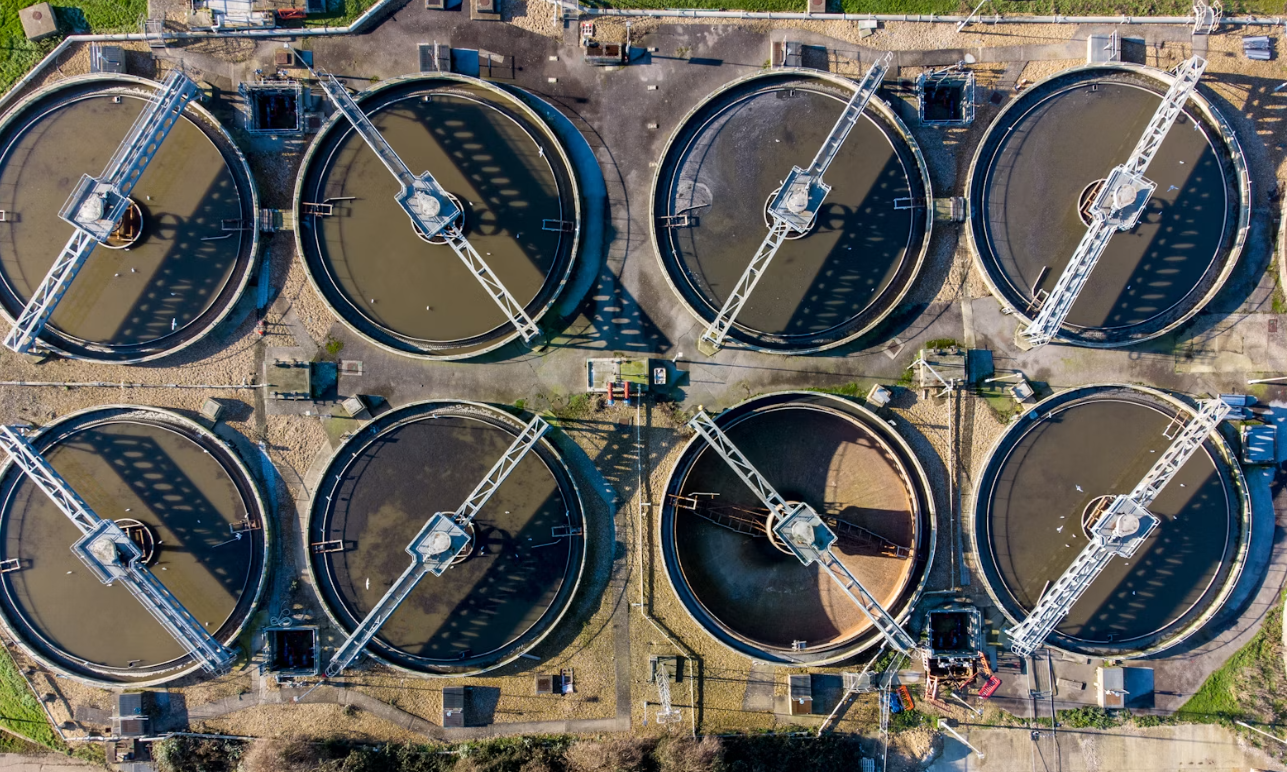
Applications of Activated Carbon in Water Treatment
- Drinking Water Purification
- Industrial Wastewater Treatment
- River and Environmental Remediation
- Food and Beverage Industry
- Pharmaceutical and Chemical Industries
How to Choose the Right Activated Carbon
Selecting the correct activated carbon depends on several factors:
- Water Quality Requirements
- Particle Size Selection
- Operating Conditions
- Supplier Reliability
Why Choose a Professional Activated Carbon Manufacturer?
For industrial projects, product consistency and supply stability are critical.
A professional activated carbon manufacturer can provide:
- Stable product quality
- Customized specifications
- Technical support
- Large-scale production capacity
- Reliable international shipping
Our company specializes in coal-based activated carbon production using high-quality anthracite coal. With multiple production lines and strict quality control standards, we provide activated carbon solutions for customers worldwide.
Conclusion
Activated carbon is one of the most effective materials available for water purification and environmental protection. Through its powerful adsorption capabilities, it removes contaminants, improves water quality, and supports sustainable treatment processes.
Whether used in municipal water systems, industrial wastewater treatment, or environmental remediation projects, activated carbon continues to play an essential role in modern water treatment technology.
As demand for clean water continues to grow, high-quality activated carbon remains a reliable and cost-effective solution for industries around the world.