
Is Activated Carbon a Dangerous Good? Complete Guide to Activated Carbon Transportation and Safety Regulations
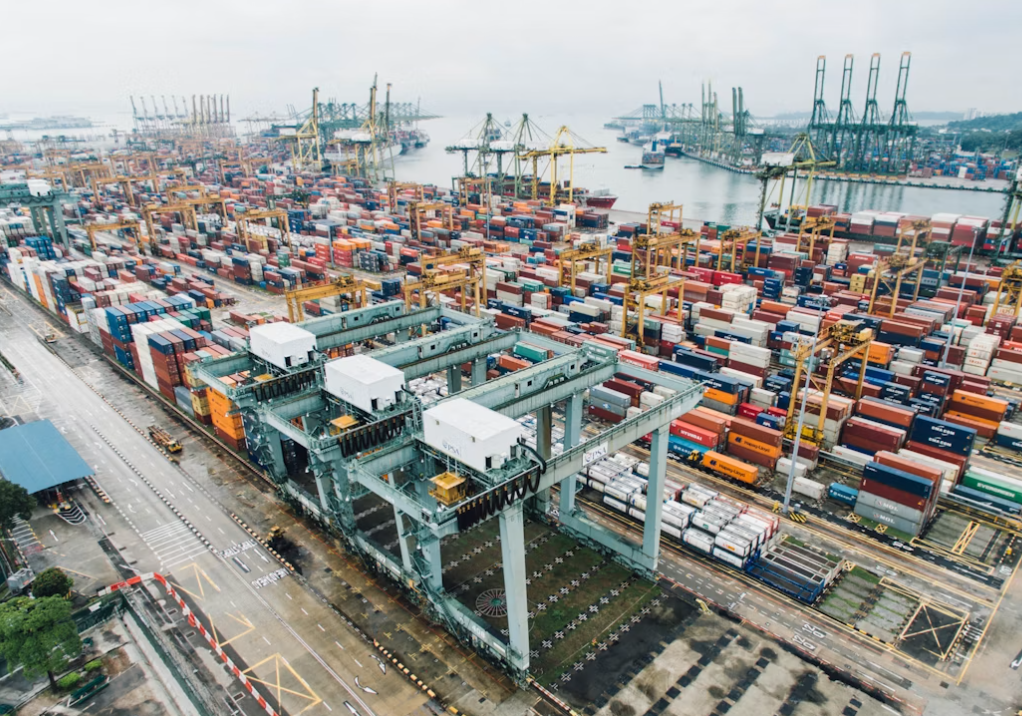
Activated carbon is widely used in water treatment, air purification, chemical processing, and environmental protection industries. However, many customers ask an important question before importing:
Is activated carbon a dangerous good?
The answer depends on the type of activated carbon, transportation conditions, and applicable regulations. In most cases, activated carbon is not classified as a dangerous good during normal use, but some activated carbon products may have specific transportation requirements.
1. Why Do People Consider Activated Carbon a Dangerous Material?
The reason activated carbon is sometimes considered a special transport material is related to its adsorption characteristics and chemical properties.
Activated carbon has a highly porous structure that can adsorb gases, organic compounds, and chemicals. Under certain conditions, especially when freshly produced or contaminated with adsorbed substances, activated carbon may generate heat through oxidation.
Therefore, transportation companies and safety regulations may require additional information, testing, or documentation before shipment.
2. Is Activated Carbon Classified as Dangerous Goods?
In general, most commercial activated carbon products used for water treatment and industrial applications are not classified as dangerous goods under normal conditions.
However, classification depends on factors such as:
- Raw material type
- Production process
- Moisture content
- Adsorbed substances
- Transportation regulations of different countries
For international shipments, suppliers usually provide safety documents such as Safety Data Sheet (SDS) to confirm product handling and transportation requirements.
3. Activated Carbon Transportation Safety Requirements
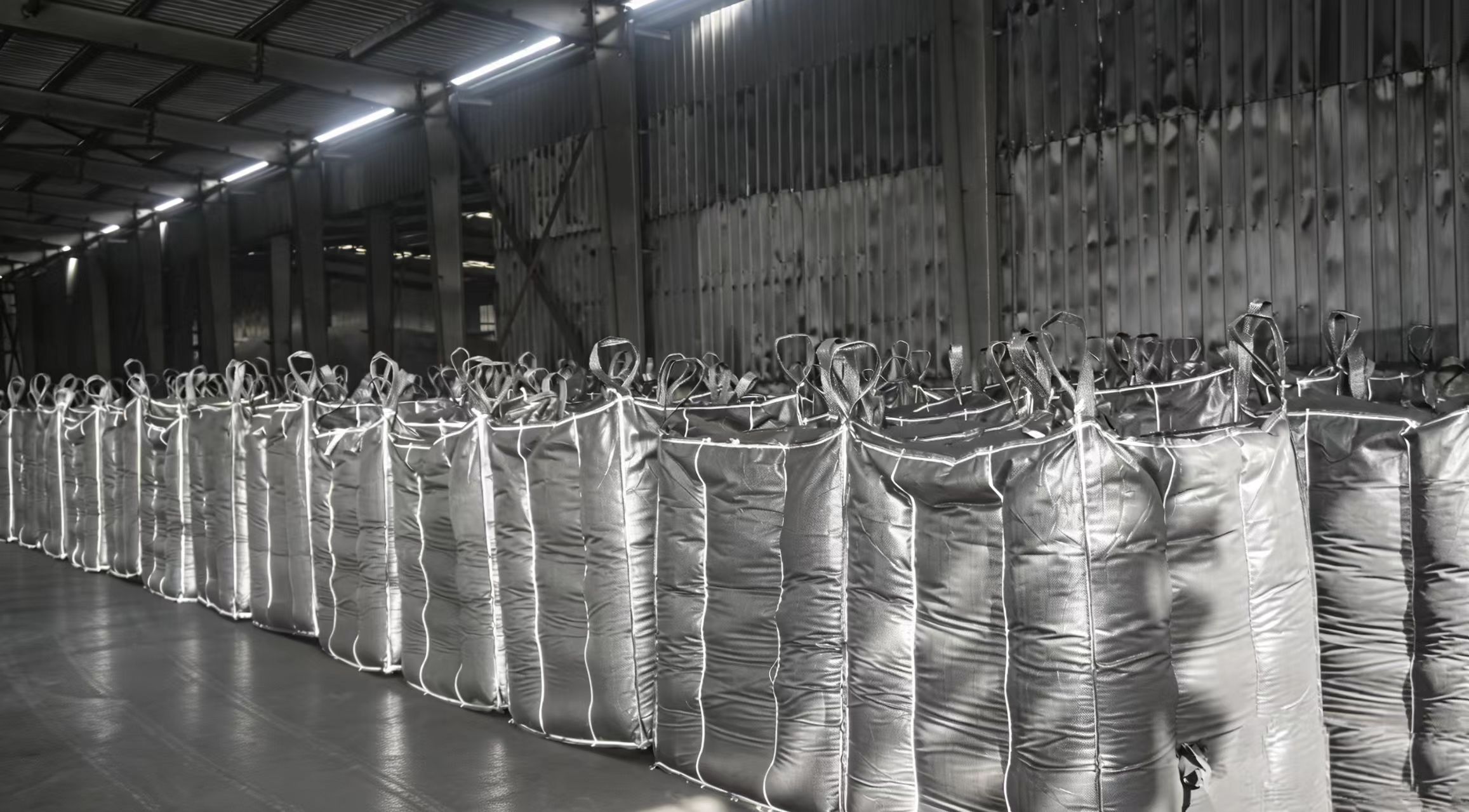
When exporting activated carbon internationally, manufacturers and buyers should pay attention to several important safety factors:
3.1 Proper Packaging
Activated carbon is usually packed in:
- 25 kg bags
- 25 kg mother-child bags
- 500 kg or 1000 kg jumbo bags
Proper packaging helps prevent moisture absorption, contamination, and handling problems during transportation.
3.2 Avoid Contact With Strong Oxidizers
Activated carbon should be stored and transported away from strong oxidizing chemicals because adsorption materials may react under certain conditions.
3.3 Storage Conditions
Activated carbon should be stored in:
- Dry environments
- Well-ventilated areas
- Away from ignition sources
4. Does Activated Carbon Have Self-Heating Risk?
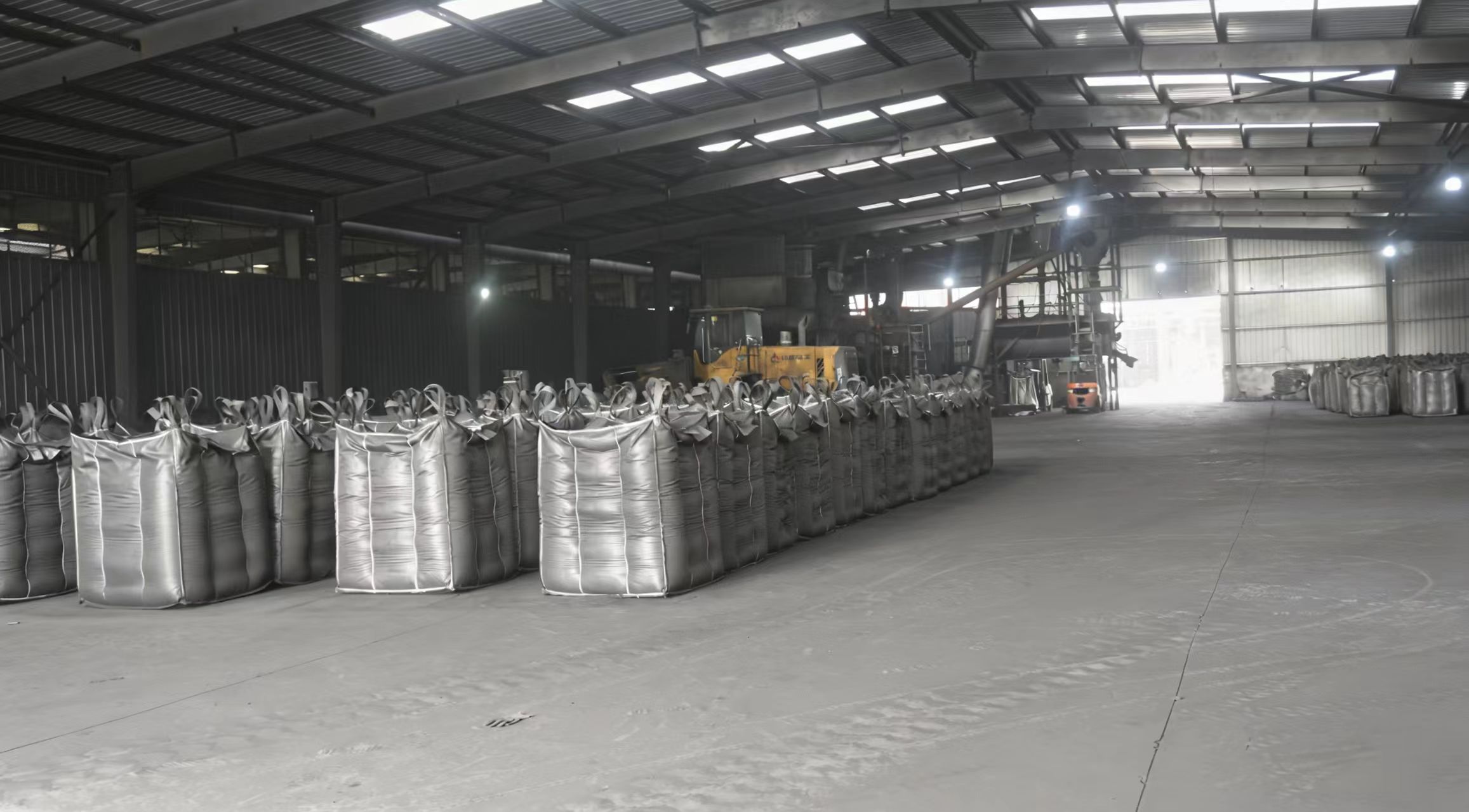
One reason activated carbon receives special attention during transportation is the potential risk of self-heating under specific conditions.
Freshly activated carbon with high surface activity may react with oxygen and generate heat, especially when stored in large quantities with poor ventilation.
Professional activated carbon manufacturers control production, cooling, moisture content, and packaging processes to reduce potential risks.
5. How Is Activated Carbon Safely Exported Internationally?
For international activated carbon shipments, suppliers usually prepare:
- Safety Data Sheet (SDS)
- Product specification sheet
- Quality inspection report
- Packaging information
- Transportation documents
Working with an experienced activated carbon manufacturer can help customers avoid transportation problems and ensure smooth delivery.
6. Transportation Difference Between Powdered Activated Carbon and Granular Activated Carbon
| Item | Powdered Activated Carbon (PAC) | Granular Activated Carbon (GAC) |
|---|---|---|
| Particle Size | Fine powder | Granular particles |
| Packaging Requirement | Requires moisture protection | Requires stable packaging and protection |
| Common Applications | Wastewater treatment, rapid adsorption | Filtration systems, long-term purification |
Explore our activated carbon products:
Coal Based Powdered Activated CarbonCoal Based Granular Activated Carbon
7. Why Choose an Experienced Activated Carbon Export Manufacturer?
International activated carbon buyers need more than just product quality. A reliable supplier should provide:
- Stable production capacity
- Professional export experience
- Complete product documentation
- Technical support
- Reliable logistics coordination
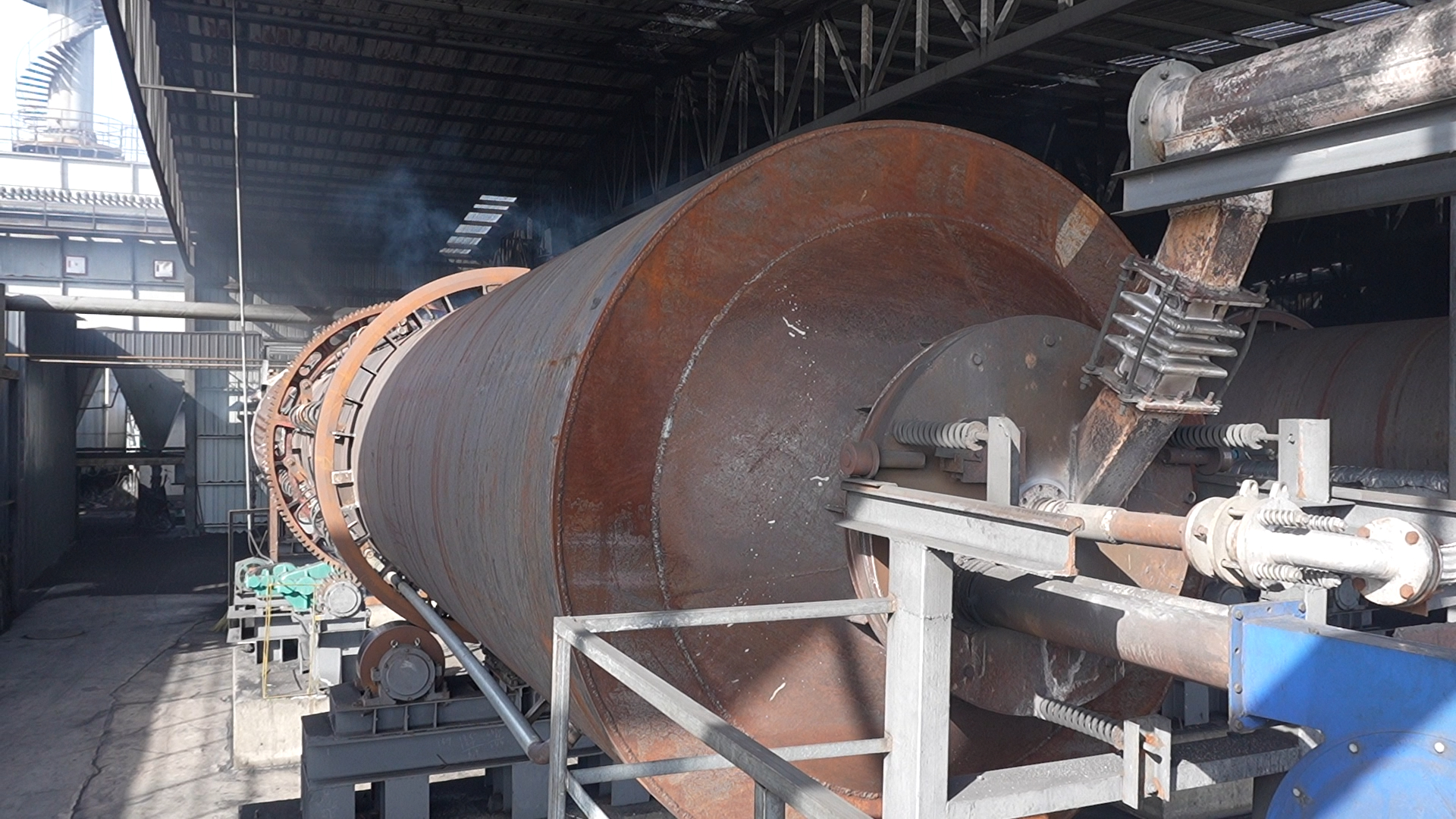
Learn more about our factory: Coal Based Activated Carbon Manufacturer
Frequently Asked Questions About Activated Carbon Safety and Transportation
Is activated carbon considered a hazardous material?
Most commercial activated carbon products are not considered hazardous materials under normal conditions. However, transportation requirements may vary depending on product characteristics and local regulations.
Can activated carbon be shipped internationally?
Yes. Activated carbon is widely exported worldwide. Suppliers usually provide necessary documents such as SDS and product specifications to support international transportation.
Why does activated carbon need special storage conditions?
Because activated carbon has a highly developed porous structure and strong adsorption ability, proper storage helps prevent moisture absorption, contamination, and potential self-heating risks.
What documents are needed when importing activated carbon?
Common documents include commercial invoices, packing lists, SDS documents, product specifications, and transportation-related documents depending on destination requirements.
Does powdered activated carbon have different transportation requirements from granular activated carbon?
Yes. Powdered activated carbon requires more attention to moisture protection and handling because of its smaller particle size, while granular activated carbon is easier to handle during transportation.
Conclusion
Activated carbon is an essential adsorption material used in many environmental and industrial applications. Although it is not generally classified as a dangerous good during normal use, proper handling, packaging, and transportation procedures are important.
Choosing an experienced activated carbon manufacturer ensures reliable product quality, correct documentation, and safe international delivery.
Need activated carbon export solutions? Contact Our Activated Carbon Factory