
Why Powdered Activated Carbon Cannot Be Reused? Complete Guide to PAC Regeneration and Applications
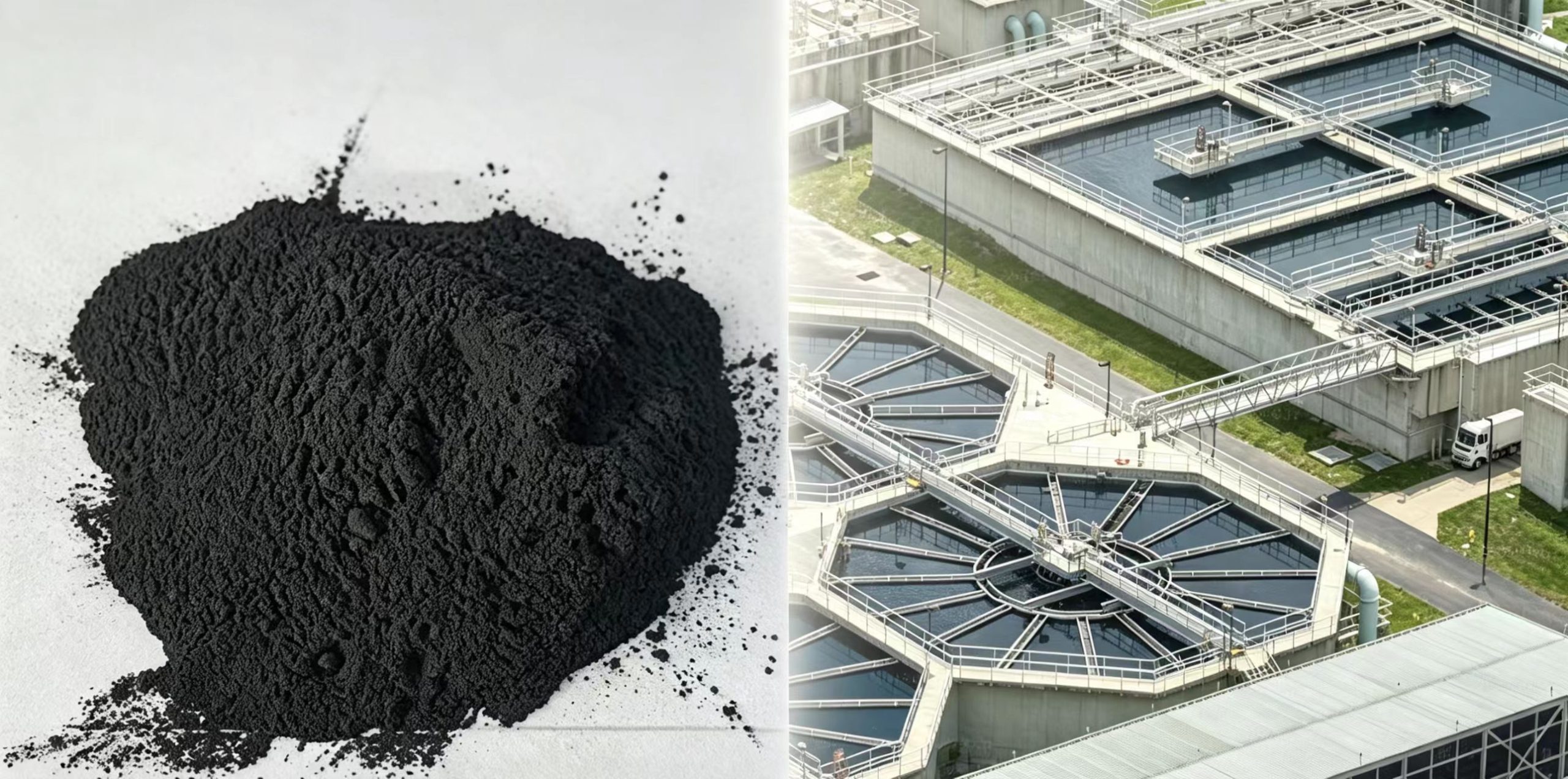
Powdered Activated Carbon (PAC) is widely used in water treatment, wastewater purification, and industrial adsorption applications because of its fast adsorption speed and excellent pollutant removal ability.
However, many customers ask an important question before purchasing: Why can't powdered activated carbon be reused?
The answer is related to the adsorption process, particle size, recovery difficulty, and regeneration economics.
1. How Does Powdered Activated Carbon Work?
Powdered activated carbon removes pollutants through adsorption. Millions of microscopic pores inside activated carbon particles capture organic compounds, odors, chemicals, and other impurities.
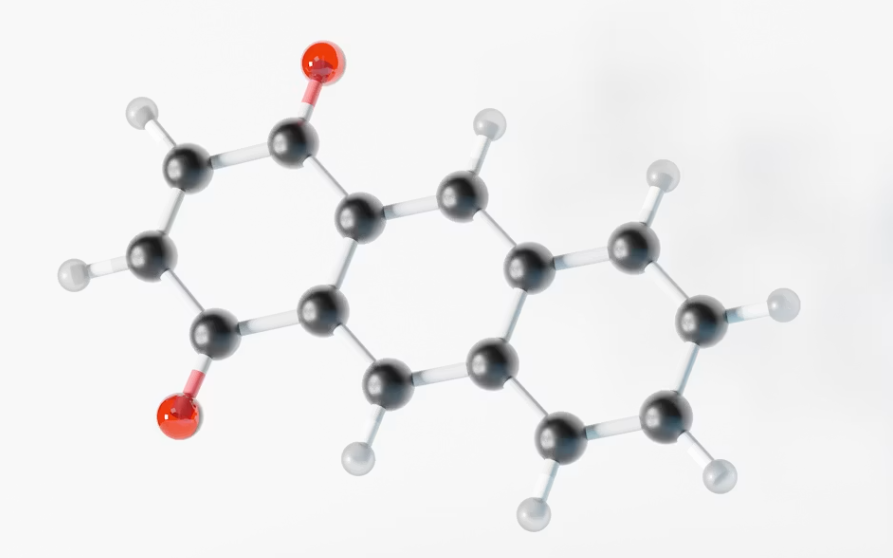
During treatment, pollutants enter the pores of activated carbon and occupy available adsorption sites. When these sites become saturated, the adsorption capacity gradually decreases.
Once activated carbon reaches its adsorption limit, it needs to be replaced or regenerated to restore performance.
2. Why Is Powdered Activated Carbon Difficult to Reuse?
2.1 Small Particle Size Makes Recovery Difficult
The main characteristic of powdered activated carbon is its very small particle size, which allows rapid contact with pollutants.
However, the same advantage creates challenges after use. PAC particles are difficult to separate completely from treated water because they are mixed with sludge and other suspended materials.
In many water treatment processes, used PAC is removed together with treatment sludge, making recovery and reuse impractical.
2.2 Adsorbed Pollutants Are Difficult to Remove Completely
Used powdered activated carbon may contain various pollutants, including organic compounds, industrial chemicals, and other contaminants.
Removing these substances requires complex regeneration processes such as high-temperature treatment or advanced chemical methods.
For most industrial applications, the cost of recovering and regenerating PAC is higher than replacing it with fresh activated carbon.
2.3 Powder Loss During Regeneration Process
Compared with granular activated carbon, powdered activated carbon has lower mechanical strength because of its smaller particle size.
During regeneration, some carbon particles may be lost due to handling, transportation, and thermal processing.
3. Can Powdered Activated Carbon Be Regenerated?
Technically, regeneration of spent powdered activated carbon is possible under certain industrial or research conditions.
However, compared with granular activated carbon, commercial PAC regeneration is less common because of technical and economic limitations.
Thermal regeneration is the most widely used industrial regeneration method for activated carbon, but it requires high temperatures and specialized equipment.:contentReference[oaicite:1]{index=1}
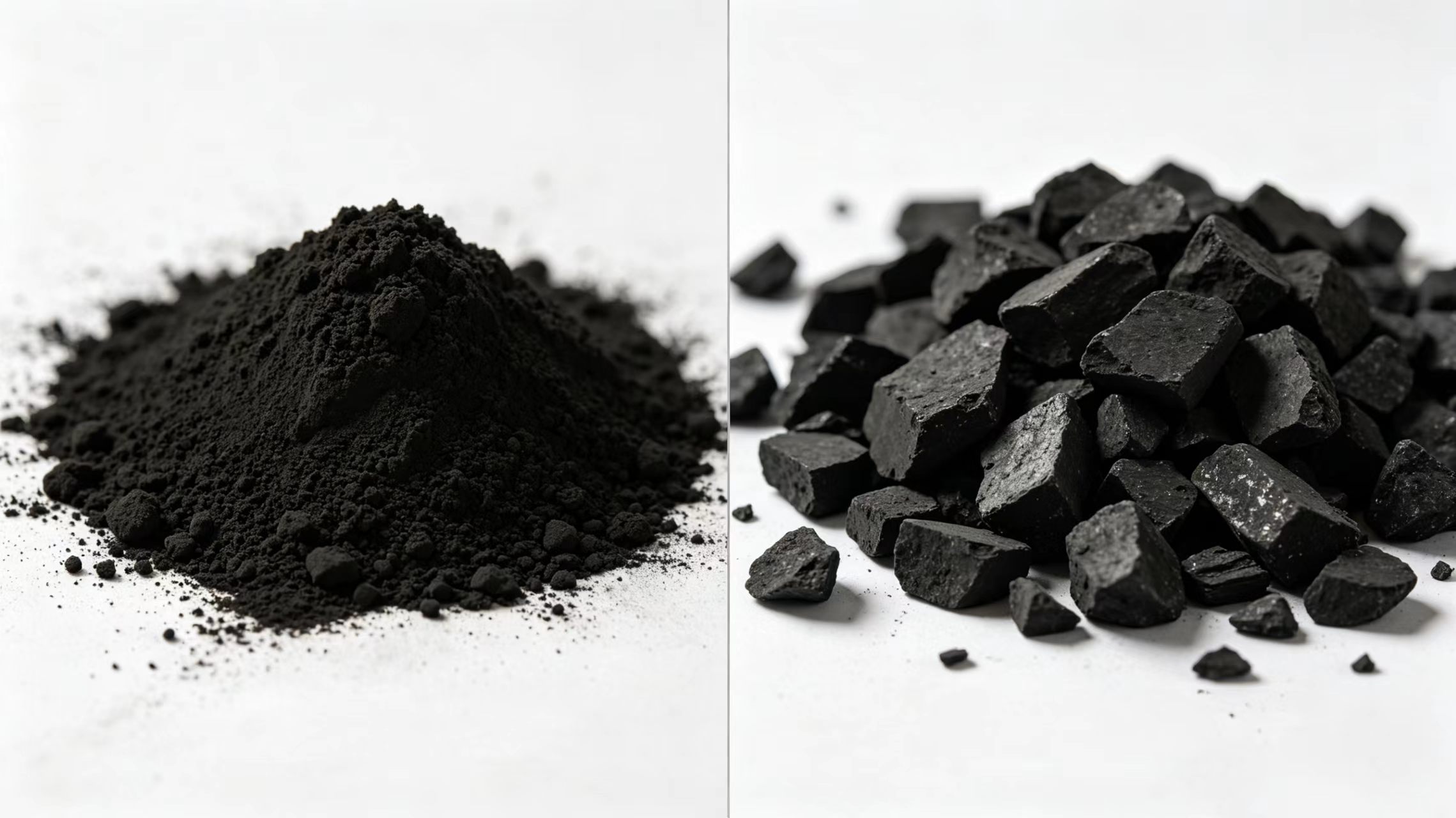
4. Difference Between Powdered Activated Carbon and Granular Activated Carbon Regeneration
| Item | Powdered Activated Carbon (PAC) | Granular Activated Carbon (GAC) |
|---|---|---|
| Particle Size | Fine powder | Granular particles |
| Recovery After Use | Difficult | Relatively easier |
| Regeneration Possibility | Limited commercial application | Commonly practiced |
| Main Applications | Rapid adsorption and wastewater treatment | Fixed-bed filtration systems |
Learn more about the differences between PAC and GAC: Powdered Activated Carbon vs Granular Activated Carbon
5. Why Is Powdered Activated Carbon Still Widely Used?
Although powdered activated carbon is usually not reused, it remains one of the most important adsorption materials in water treatment.
The reason is that PAC provides several advantages:
- Fast adsorption speed
- Large contact area
- Flexible dosage adjustment
- Suitable for emergency pollution treatment
- Effective removal of organic contaminants
For many wastewater treatment projects, using fresh PAC provides better performance and lower operating complexity compared with attempting regeneration.
6. Applications of Powdered Activated Carbon
Powdered activated carbon is commonly used in:
- Industrial wastewater treatment
- Drinking water purification
- Chemical wastewater treatment
- Emergency pollution control
- Odor and organic pollutant removal
View our powdered activated carbon products: Coal Based Powdered Activated Carbon
7. How to Choose Between PAC and GAC?
Choosing between powdered activated carbon and granular activated carbon depends on the treatment process and operational requirements.
- Choose PAC when fast adsorption and flexible dosing are required.
- Choose GAC when continuous filtration and longer service life are needed.
- Choose coal based activated carbon when high strength and stable performance are important.
8. Why Choose a Professional Powdered Activated Carbon Manufacturer?
A reliable activated carbon supplier should provide stable product quality, accurate technical data, and customized solutions according to different applications.
Important factors include:
- Raw material quality
- Iodine value
- Ash content
- Particle size distribution
- Production capacity
Learn about our manufacturing process: Activated Carbon Production Process
Frequently Asked Questions About Powdered Activated Carbon Reuse
Can powdered activated carbon be reused after water treatment?
In most commercial water treatment applications, powdered activated carbon is not reused because recovery is difficult and regeneration is usually not economically practical.
Why can granular activated carbon be regenerated more easily than PAC?
Granular activated carbon has larger particle sizes and can be collected from filtration systems more easily, making regeneration more practical.
Does activated carbon lose adsorption capacity after use?
Yes. Activated carbon has a limited adsorption capacity. When adsorption sites become occupied by pollutants, its removal efficiency decreases.
What happens to used powdered activated carbon?
Used PAC is commonly removed with treatment sludge or disposed of according to local environmental regulations.
Is fresh powdered activated carbon better than regenerated carbon?
For many wastewater treatment applications, fresh PAC provides stable adsorption performance and predictable treatment results.
Conclusion
Powdered activated carbon is an efficient adsorption material widely used in water treatment and industrial purification.
Although regeneration technologies exist, PAC is generally not reused in commercial applications because of recovery difficulty, contamination complexity, and economic considerations.
Choosing the right activated carbon type based on application requirements is the key to achieving efficient and cost-effective treatment performance.
Need professional powdered activated carbon solutions? Contact Our Activated Carbon Factory