
How to Choose the Right Activated Carbon? Comparison of Coal Based, Coconut Shell, Wood and Fruit Shell Activated Carbon
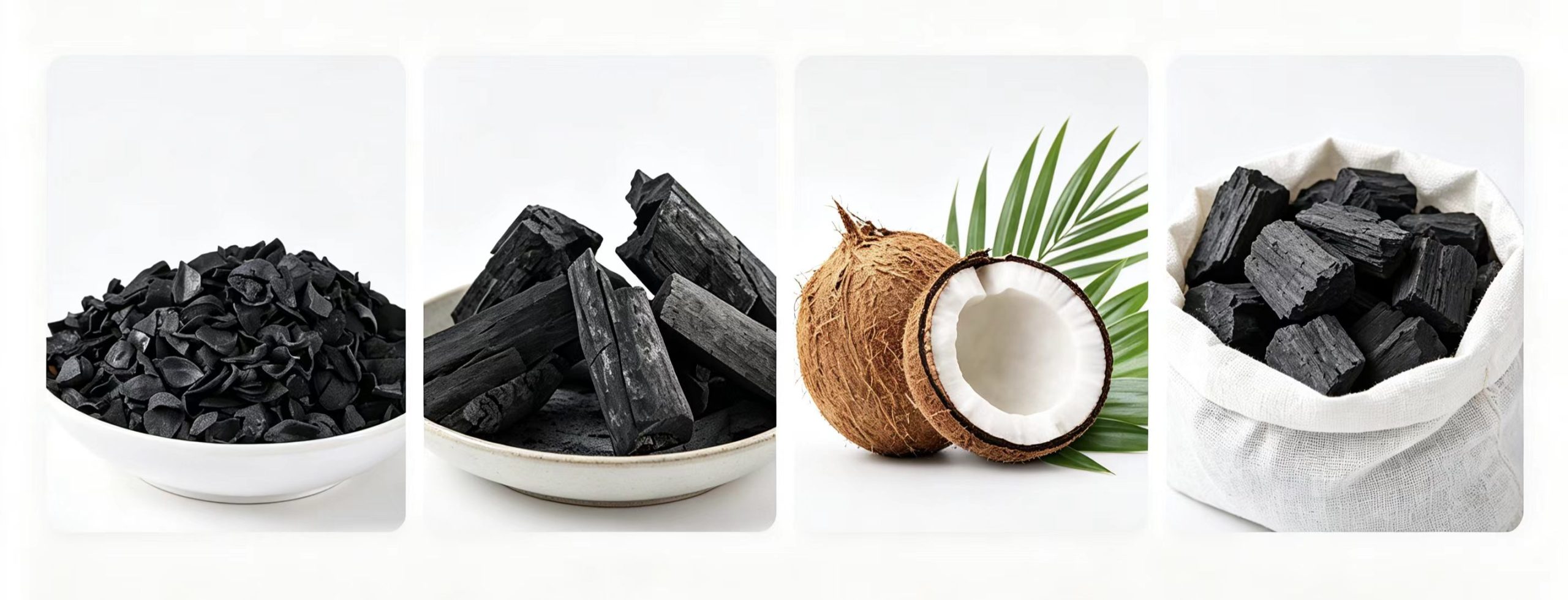
Activated carbon is widely used in water treatment, air purification, chemical processing, and industrial adsorption applications. However, different types of activated carbon have different raw materials, pore structures, adsorption characteristics, and application advantages.
Choosing the right activated carbon depends on the target pollutants, treatment process, required adsorption performance, and operating conditions.
The four common types of activated carbon include coal based activated carbon, coconut shell activated carbon, wood based activated carbon, and fruit shell activated carbon.
1. What Factors Should Be Considered When Choosing Activated Carbon?
Before selecting activated carbon, customers should evaluate several important factors:
- Application purpose and target contaminants
- Adsorption capacity and iodine value
- Particle size requirements
- Mechanical strength and service life
- Raw material characteristics
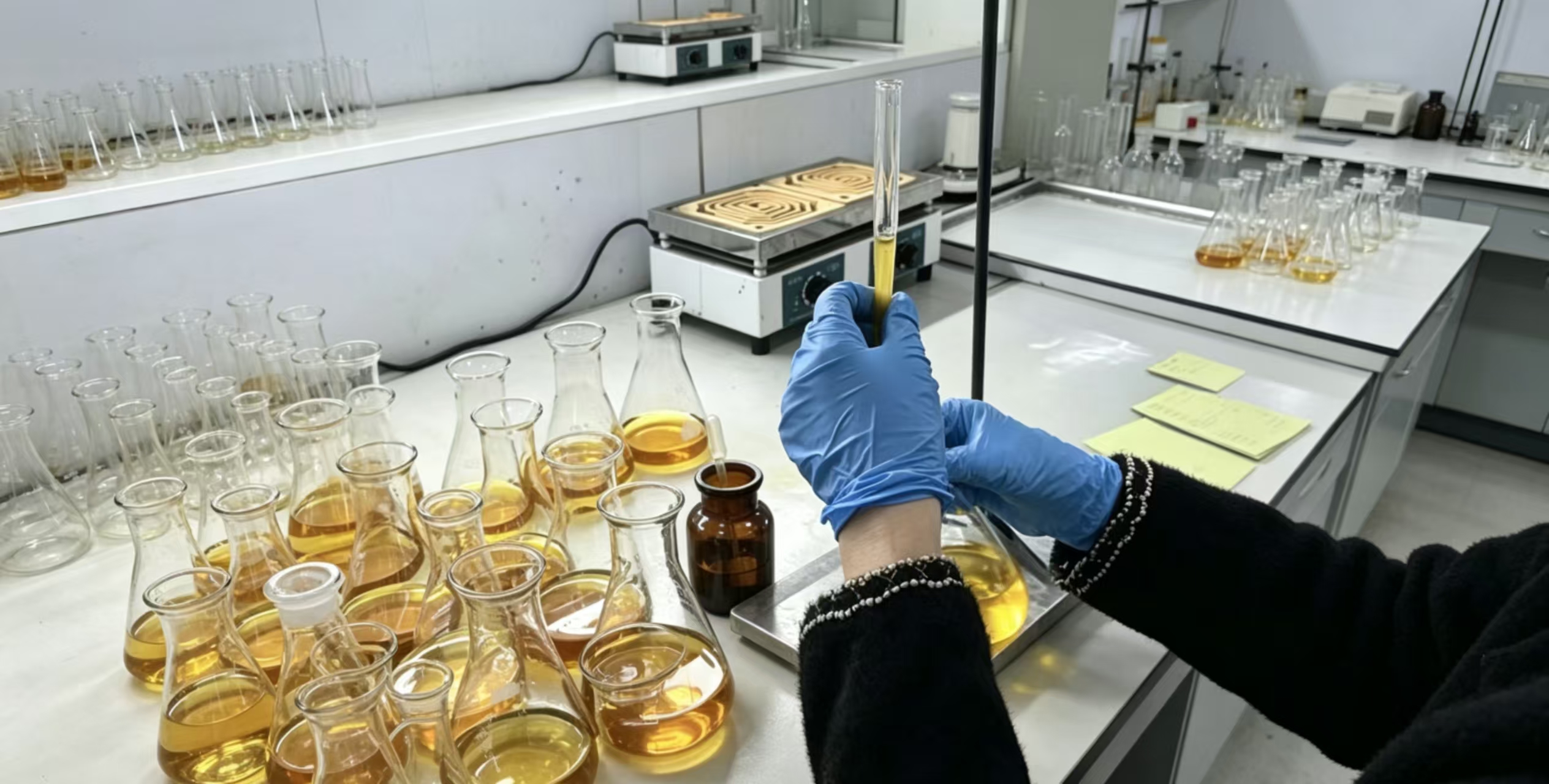
Different industries require different activated carbon properties. For example, wastewater treatment usually requires strong adsorption capacity and stable performance, while air purification applications may require highly developed micropores.
2. Coal Based Activated Carbon: Best Choice for Industrial Applications
Raw Material and Characteristics
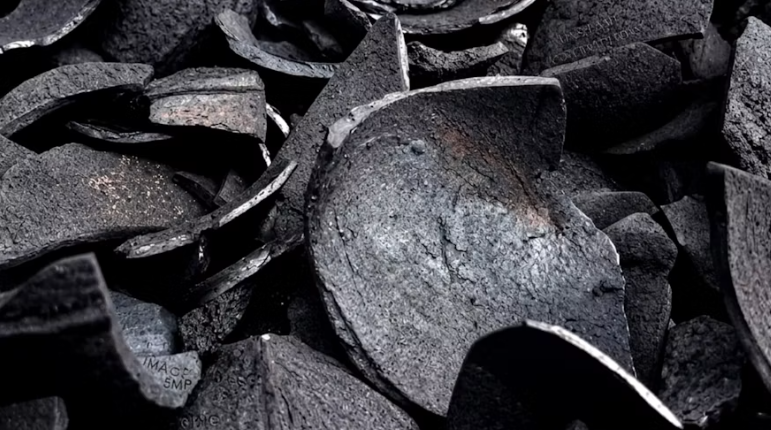
Coal based activated carbon is produced from high-quality coal, especially anthracite. Through carbonization and activation processes, the carbon develops a stable pore structure and excellent adsorption performance.
Compared with other types of activated carbon, coal based activated carbon has:
- High mechanical strength
- Excellent hardness
- Stable adsorption performance
- Long service life
- Good cost efficiency for large-scale applications
Main Applications of Coal Based Activated Carbon
- Industrial wastewater treatment
- Drinking water purification
- Chemical industry purification
- Gas and air treatment
- Environmental protection projects
Coal based activated carbon is especially suitable for customers who require stable performance and large-volume supply.
Learn more about our products: Coal Based Activated Carbon Manufacturer
3. Coconut Shell Activated Carbon: Suitable for Micropore Adsorption Applications
Characteristics of Coconut Shell Activated Carbon
Coconut shell activated carbon is produced from coconut shells and is known for its highly developed microporous structure.
It is commonly used when adsorption of small molecular compounds is required.
Main Applications
- Drinking water purification
- Food and beverage industry
- Solvent recovery
- Air purification
Coconut shell activated carbon is often selected for applications requiring high micropore volume and strong adsorption of small molecules.
4. Wood Based Activated Carbon: Suitable for Color Removal Applications
Characteristics of Wood Based Activated Carbon
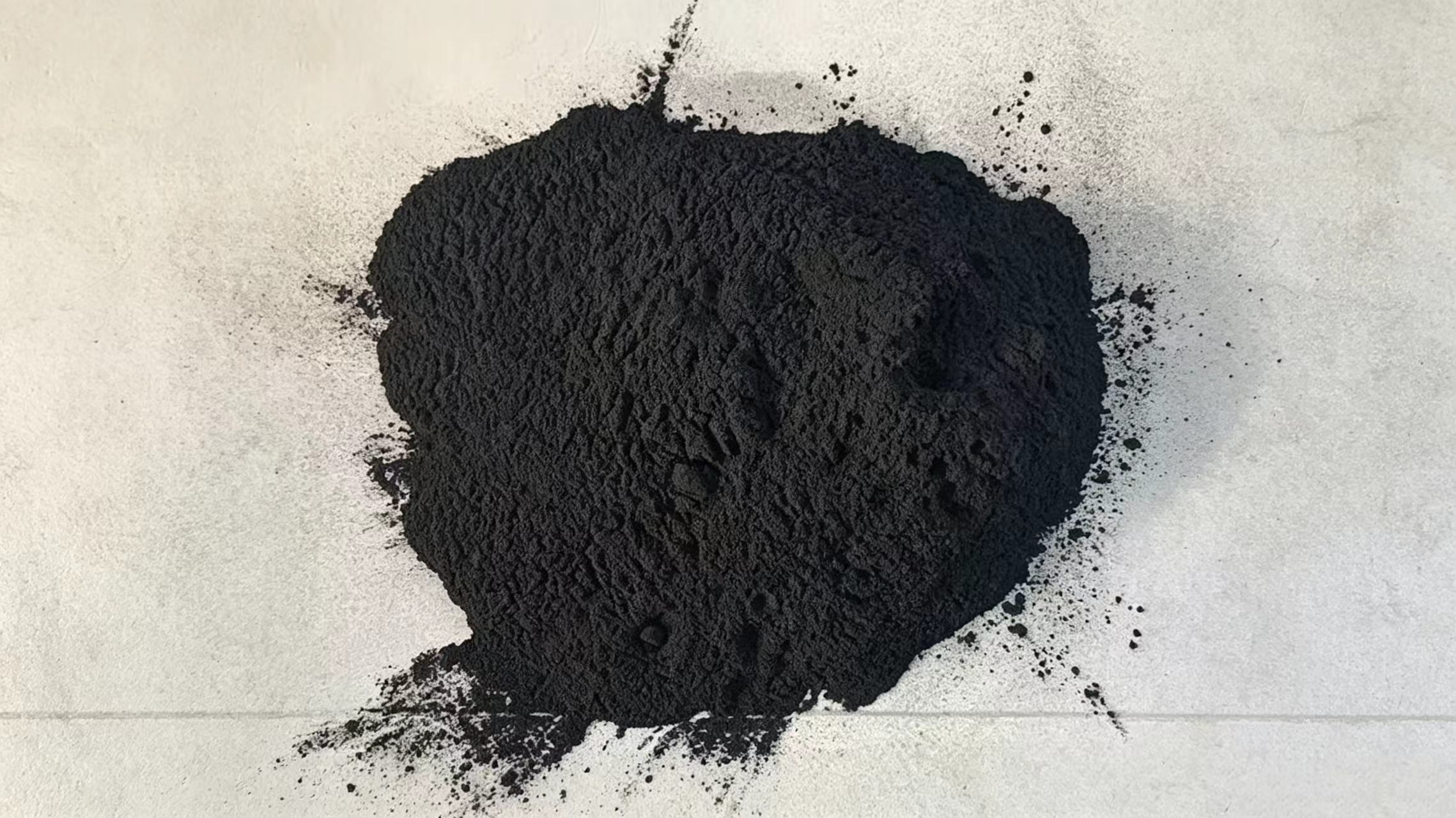
Wood based activated carbon usually has a larger pore structure and excellent liquid-phase adsorption ability.
It is commonly available in powdered form and is widely used for removing color, organic compounds, and impurities.
Main Applications
- Sugar purification
- Food processing
- Pharmaceutical purification
- Chemical decolorization
5. Fruit Shell Activated Carbon: High Hardness and Special Applications
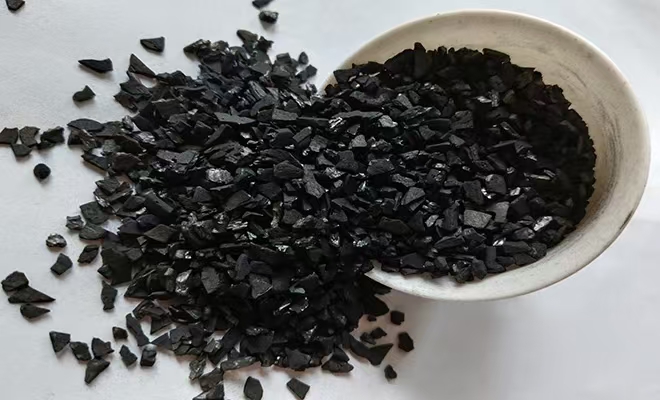
Characteristics of Fruit Shell Activated Carbon
Fruit shell activated carbon is produced from agricultural waste materials such as nut shells and fruit shells.
It generally provides:
- Good hardness
- Developed microporous structure
- Low ash content
Main Applications
- Gas adsorption
- Air purification
- Special filtration systems
6. Comparison of Different Types of Activated Carbon
| Activated Carbon Type | Main Advantage | Typical Applications |
|---|---|---|
| Coal Based Activated Carbon | High strength and stable performance | Water treatment, wastewater treatment, industrial purification |
| Coconut Shell Activated Carbon | Excellent micropore structure | Drinking water, gas adsorption, air purification |
| Wood Based Activated Carbon | Strong liquid adsorption and decolorization ability | Food, pharmaceutical, chemical industries |
| Fruit Shell Activated Carbon | Good hardness and micropore development | Special adsorption and purification applications |
7. How to Choose the Right Activated Carbon for Your Application?
The best activated carbon depends on your specific application requirements.
- For industrial wastewater treatment: Coal based activated carbon is usually recommended because of its strength and stable adsorption performance.
- For drinking water purification: Coconut shell or coal based activated carbon can be selected depending on treatment requirements.
- For decolorization applications: Wood based activated carbon is commonly used.
- For gas adsorption: Activated carbon with developed micropores is often preferred.
8. Why Choose a Professional Activated Carbon Manufacturer?
A reliable activated carbon supplier should provide consistent quality, technical support, and customized solutions.
Important factors include:
- Stable raw material supply
- Strict quality control
- Laboratory testing capability
- Customized particle size and specifications
- Reliable delivery capacity
Learn more about our production technology: Coal Based Activated Carbon Production Process
Frequently Asked Questions About Activated Carbon Selection
What type of activated carbon is best for wastewater treatment?
Coal based activated carbon is commonly used for wastewater treatment because it provides high strength, stable adsorption performance, and good cost efficiency for large-scale applications.
What is the difference between coal based and coconut shell activated carbon?
Coal based activated carbon generally has stronger mechanical strength and is widely used in industrial applications, while coconut shell activated carbon has excellent micropore development and is often used for drinking water and gas adsorption.
Which activated carbon is better for removing color?
Wood based activated carbon is commonly selected for decolorization applications because of its larger pore structure and strong liquid-phase adsorption ability.
Can activated carbon be customized according to customer requirements?
Yes. Professional manufacturers can customize activated carbon based on iodine value, particle size, moisture content, ash content, packaging, and application requirements.
How do I choose a reliable activated carbon supplier?
Customers should evaluate the manufacturer's raw material quality, production capacity, testing ability, export experience, and technical support.
Conclusion
Choosing the right activated carbon requires understanding the differences between raw materials, pore structures, adsorption characteristics, and application requirements.
Coal based activated carbon, coconut shell activated carbon, wood based activated carbon, and fruit shell activated carbon each have their own advantages. Selecting the correct type can improve treatment efficiency and reduce operating costs.
As a professional coal based activated carbon manufacturer, we provide powdered activated carbon and granular activated carbon solutions for global water treatment and industrial applications.
Contact our technical team for customized activated carbon solutions: Contact Our Activated Carbon Factory