
What Does the Iodine Value of Activated Carbon Mean?
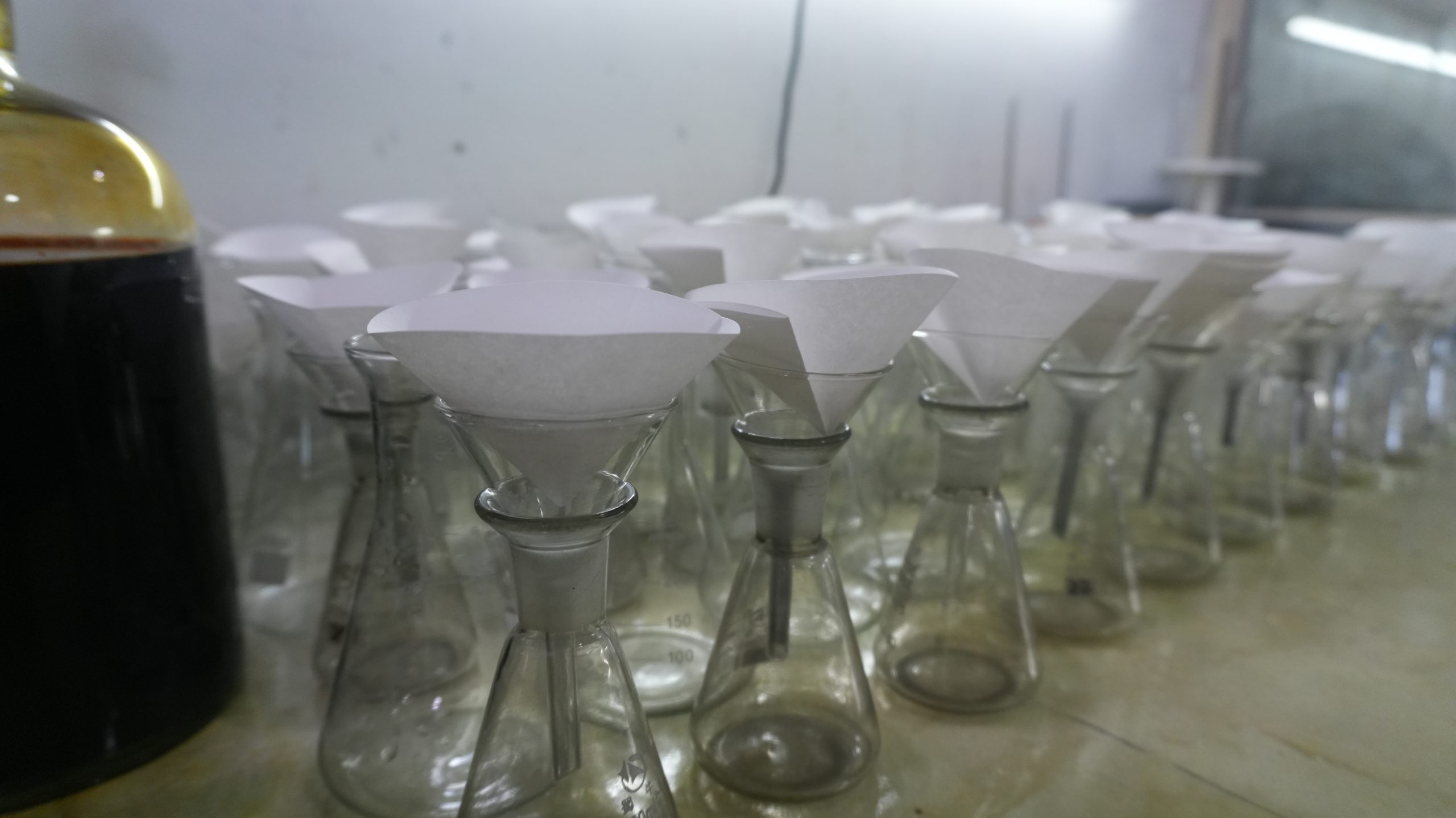
The iodine value of activated carbon is one of the most important indicators used to evaluate activated carbon adsorption performance. It represents the amount of iodine that activated carbon can adsorb and is commonly used to measure the development of micropores inside the carbon structure.
For customers purchasing activated carbon, understanding iodine value is essential because it helps determine whether a product is suitable for applications such as water purification, wastewater treatment, and industrial adsorption processes.
1. What Is the Iodine Value of Activated Carbon?
The iodine value of activated carbon refers to the amount of iodine adsorbed by one gram of activated carbon, usually expressed in mg/g.
A higher iodine value generally indicates a larger micropore volume and stronger adsorption capacity, especially for removing small molecular organic compounds.
For example:
- Activated carbon with iodine value around 500-700 mg/g is suitable for some basic adsorption applications.
- Activated carbon with iodine value around 800-1000 mg/g provides stronger adsorption performance for many water treatment applications.
- Higher iodine value activated carbon is often selected for applications requiring stronger adsorption capacity.
2. Why Is Iodine Value Important for Activated Carbon Selection?
When selecting activated carbon, iodine value is an important reference parameter because it reflects the internal pore structure and adsorption ability of the carbon material.
However, iodine value is not the only factor that determines activated carbon performance. Other important parameters include:
- BET surface area
- Ash content
- Moisture content
- Hardness
- Particle size distribution
3. Relationship Between Iodine Value and Activated Carbon Adsorption Capacity
The adsorption ability of activated carbon mainly depends on its porous structure.
During the production process, carbonization and activation create millions of tiny pores inside the carbon particles. These pores provide adsorption sites for pollutants and impurities.
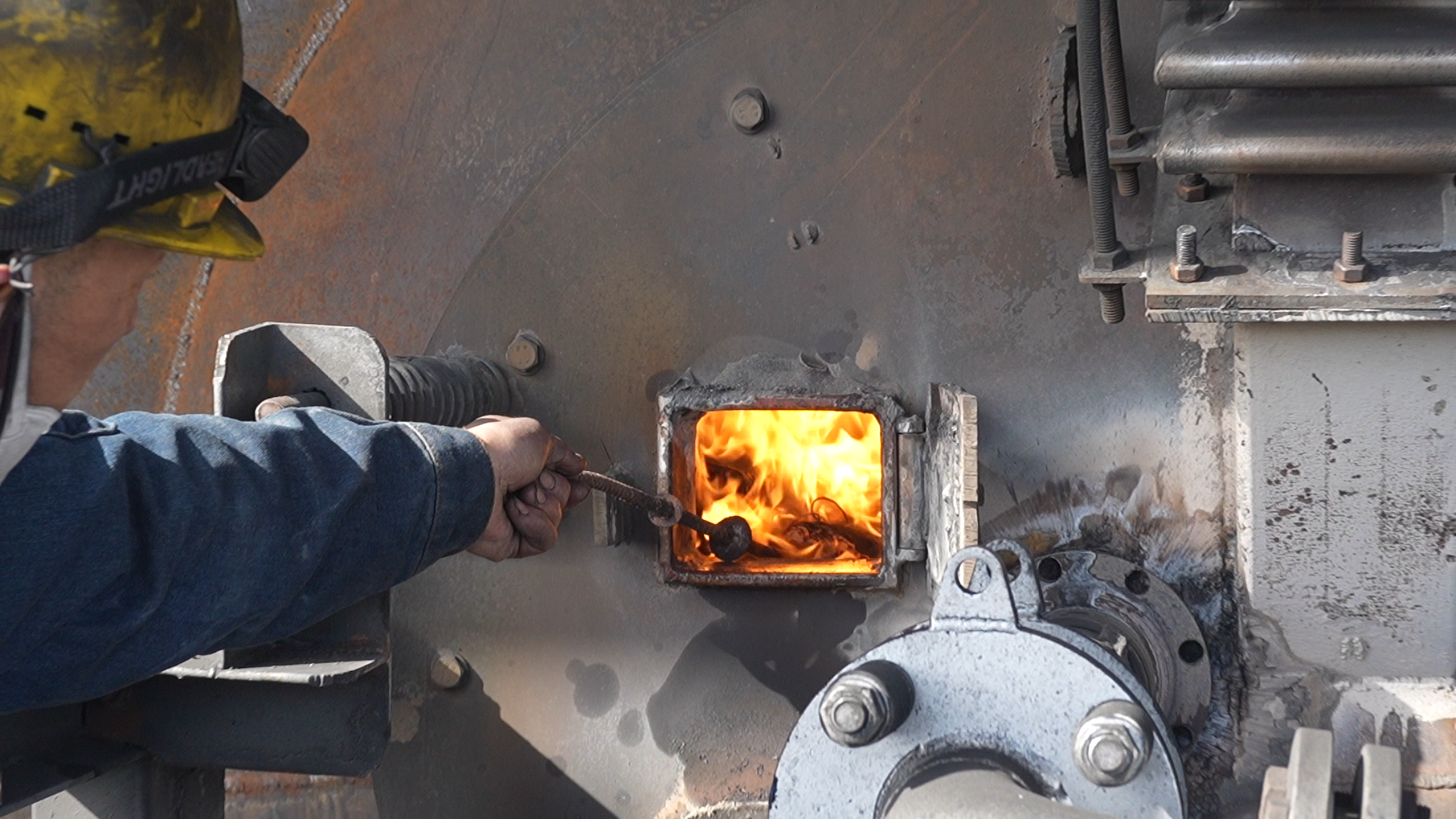
A suitable iodine value indicates that the activated carbon has developed micropores, which are effective for adsorbing small organic molecules and contaminants.
4. Iodine Value Requirements for Different Activated Carbon Applications
| Application | Recommended Iodine Value | Activated Carbon Type |
|---|---|---|
| Drinking Water Treatment | 800-1000 mg/g | Powdered Activated Carbon / Granular Activated Carbon |
| Industrial Wastewater Treatment | 800 mg/g and above | Powdered Activated Carbon |
| Air Purification | Depending on target pollutants | Granular Activated Carbon |
| Industrial Adsorption | Customized according to application | PAC / GAC |
5. Iodine Value of Coal Based Activated Carbon
Coal based activated carbon is widely used in industrial applications because of its high mechanical strength, stable performance, and excellent cost efficiency.
High-quality anthracite is an important raw material for producing coal based activated carbon. Through controlled carbonization and activation processes, the pore structure can be optimized to achieve stable adsorption performance.
Our coal based activated carbon products typically provide stable iodine values according to customer requirements, including products with iodine values of 800-1000 mg/g for water treatment applications.
Learn more about our raw material and manufacturing technology: Coal Based Activated Carbon Production Process
6. Iodine Value of Powdered Activated Carbon (PAC) vs Granular Activated Carbon (GAC)
Powdered Activated Carbon (PAC)
Powdered activated carbon has smaller particle sizes, which allows faster contact with pollutants and rapid adsorption.
PAC with suitable iodine value is commonly used in:
- Wastewater treatment
- Drinking water purification
- Emergency pollution control
Granular Activated Carbon (GAC)
Granular activated carbon is mainly used in filtration systems where stable performance and longer service life are required.
GAC is commonly applied in:
- Water filtration systems
- Industrial purification equipment
- Air treatment systems
7. How Is Activated Carbon Iodine Value Tested?
The iodine value of activated carbon is usually measured through laboratory testing methods. A sample of activated carbon is contacted with iodine solution, and the amount of iodine adsorbed is calculated.
Professional activated carbon manufacturers test iodine value together with other quality indicators to ensure consistent product performance.
Frequently Asked Questions About Activated Carbon Iodine Value
Is a higher iodine value always better?
Not always. A higher iodine value indicates stronger micropore adsorption capacity, but the best activated carbon depends on the specific application requirements.
What is a good iodine value for water treatment activated carbon?
For many water treatment applications, activated carbon with iodine values around 800-1000 mg/g is commonly selected because it provides good adsorption performance.
Does iodine value affect activated carbon price?
Yes. Activated carbon with higher adsorption capacity and more developed pore structures usually requires more advanced production processes and may have higher costs.
Conclusion
The iodine value of activated carbon is an important quality parameter that helps evaluate adsorption capacity and pore development.
When choosing activated carbon, buyers should consider iodine value together with raw material quality, application requirements, particle size, and other performance indicators.
As a professional coal based activated carbon manufacturer, we provide powdered activated carbon and granular activated carbon solutions for water treatment and industrial applications.
Contact us for technical consultation and customized activated carbon solutions.