
Powdered Activated Carbon vs Granular Activated Carbon: Key Differences for Water Treatment
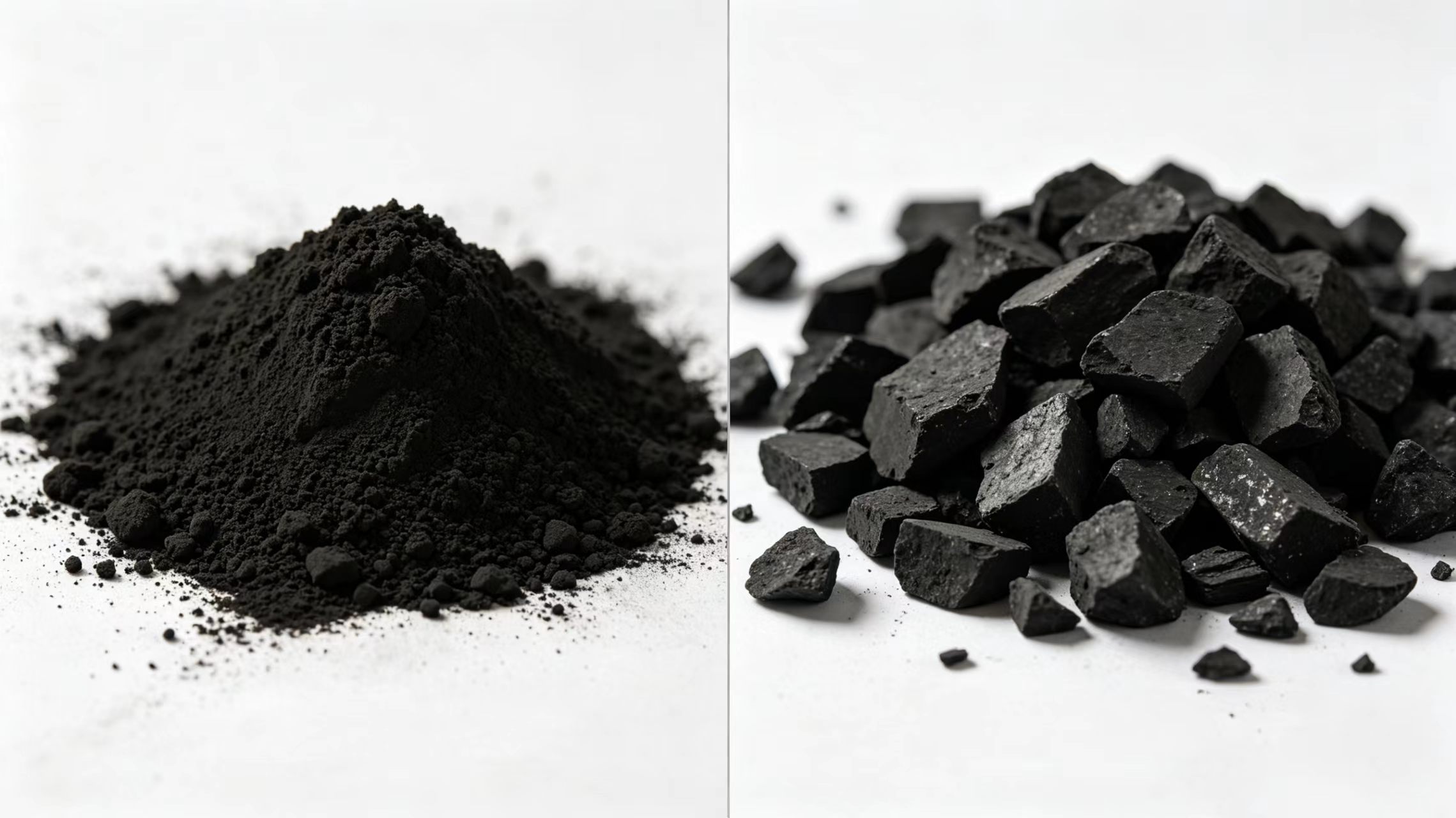
Activated carbon is one of the most widely used materials for water purification and environmental treatment. Due to its excellent adsorption properties, it can effectively remove organic contaminants, odors, colors, and harmful chemicals from water.
The two most common forms of activated carbon used in industrial and municipal water treatment are Powdered Activated Carbon (PAC) and Granular Activated Carbon (GAC). Although both are designed to improve water quality, they differ significantly in particle size, application methods, operational performance, and cost considerations.
Understanding the differences between PAC and GAC can help engineers, water treatment professionals, and purchasing managers select the most suitable solution for their specific applications.
What Is Powdered Activated Carbon (PAC)?
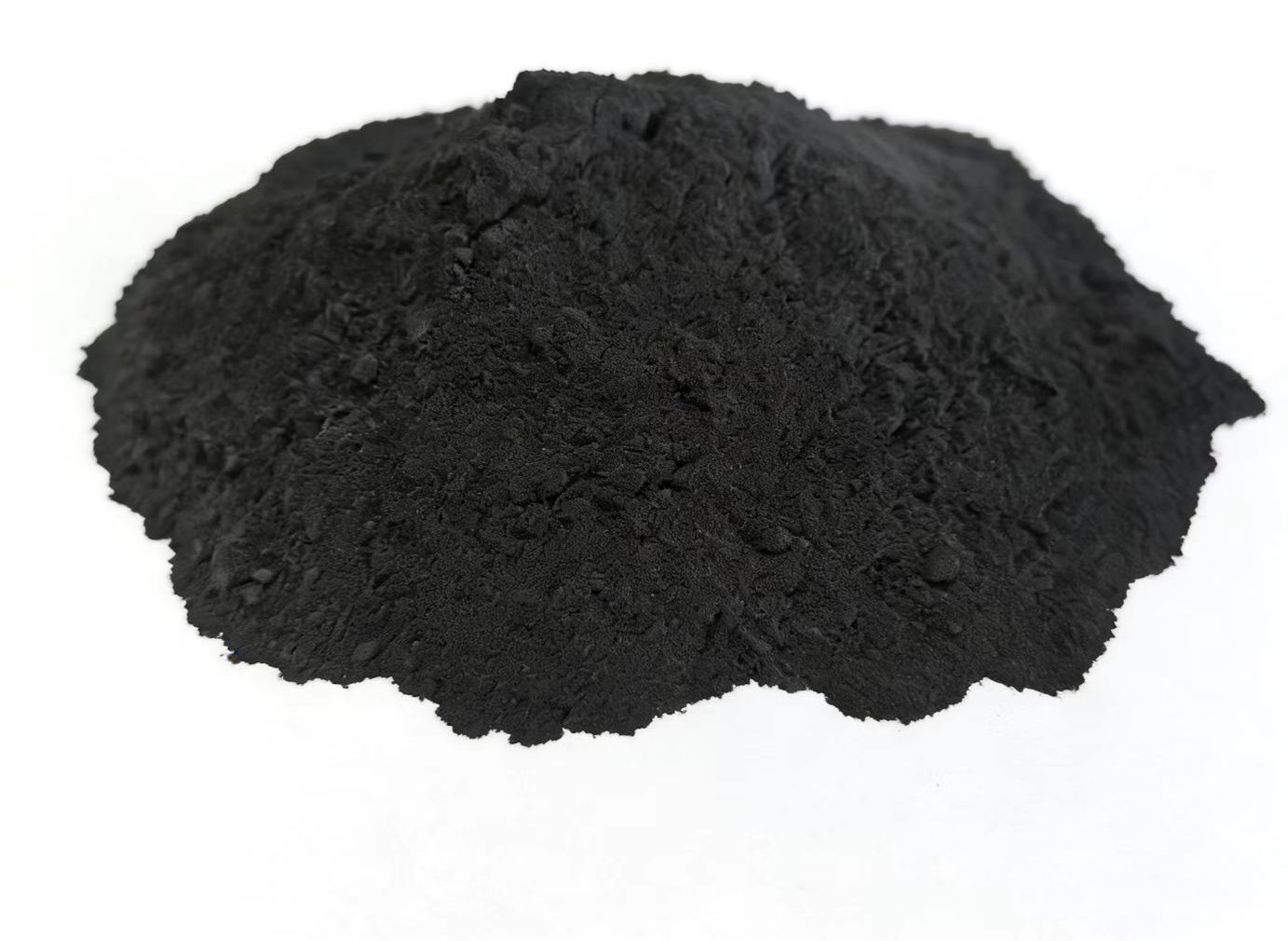
Powdered Activated Carbon, commonly known as PAC, consists of finely ground activated carbon particles. Most PAC products are manufactured with particle sizes smaller than 0.18 mm, allowing for rapid adsorption due to their large external surface area.
PAC is typically added directly into water treatment systems and later removed through sedimentation, filtration, or other separation processes.
Learn more about our Powdered Activated Carbon Products.
Advantages of PAC
- Fast adsorption rate
- Easy to dose into treatment systems
- Effective for emergency contamination control
- Lower initial equipment investment
- Flexible operation for varying water conditions
Common Applications of PAC
- Municipal drinking water treatment
- Industrial wastewater treatment
- Emergency odor and taste control
- Chemical manufacturing facilities
- Seasonal algae contamination treatment
What Is Granular Activated Carbon (GAC)?
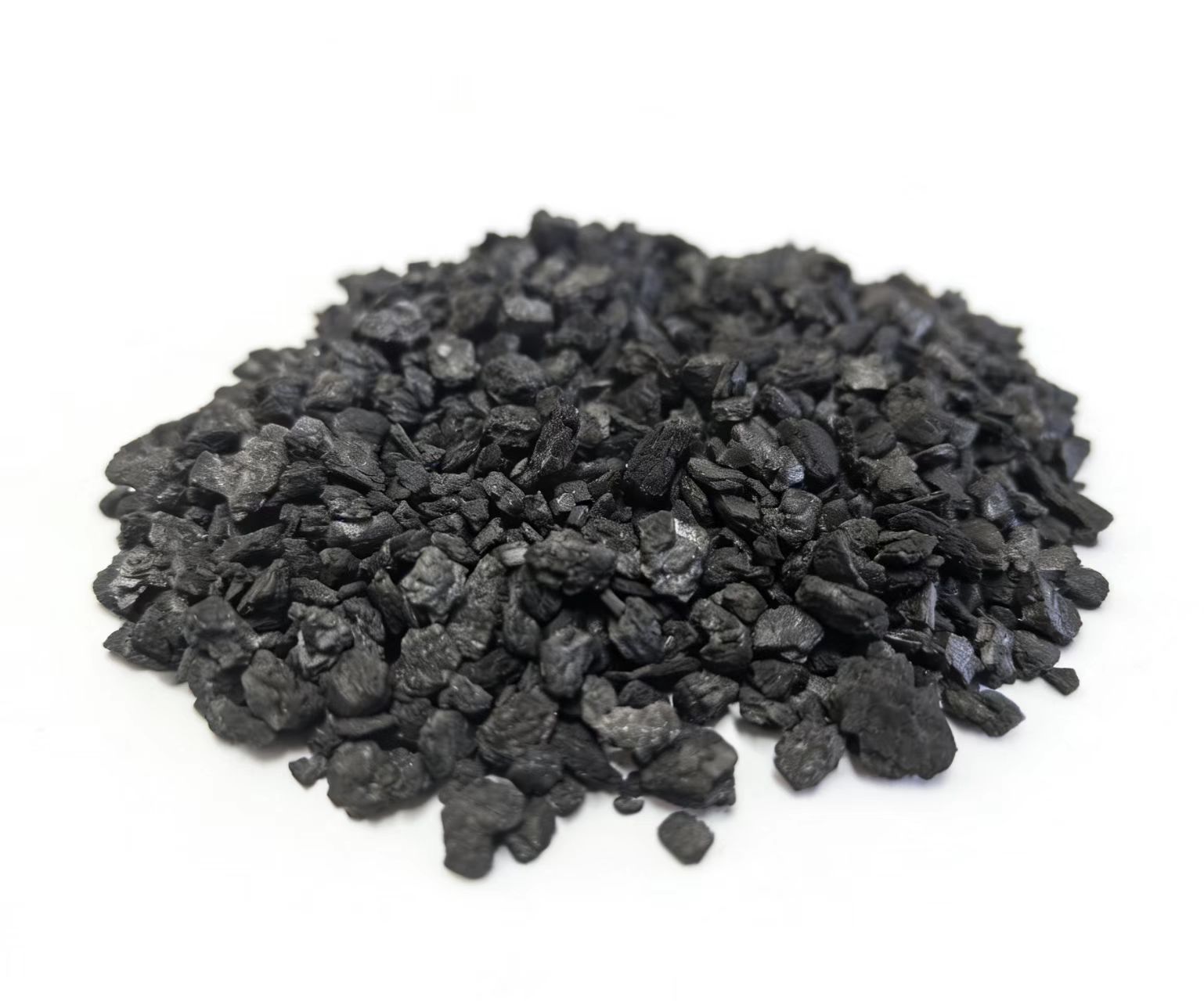
Granular Activated Carbon consists of larger carbon particles designed for continuous filtration systems. Unlike PAC, GAC is typically placed inside fixed-bed filters, pressure vessels, or adsorption columns.
As water flows through the carbon bed, contaminants are removed through adsorption.
Learn more about our Granular Activated Carbon Products.
Advantages of GAC
- Long service life
- Suitable for continuous operation
- Lower carbon consumption over time
- Easier handling and maintenance
- Potential for thermal reactivation
Common Applications of GAC
- Drinking water filtration systems
- Industrial process water treatment
- Groundwater remediation
- River and environmental restoration projects
- Air and gas purification systems
PAC vs GAC: Particle Size Comparison
One of the most significant differences between PAC and GAC is particle size.
Powdered Activated Carbon
- Fine powder form
- Typically less than 0.18 mm
- Large external surface area
- Faster adsorption kinetics
Granular Activated Carbon
- Larger granules
- Typically 0.2 mm to 5 mm
- Designed for filtration beds
- Slower but more sustainable adsorption
The smaller particle size of PAC allows contaminants to reach adsorption sites more quickly. However, PAC must be separated from the treated water after use, while GAC remains in place within the filtration system.
PAC vs GAC: Performance Comparison
Adsorption Speed
PAC generally adsorbs contaminants faster because of its smaller particle size and greater external surface area.
Winner: PAC
Continuous Operation
GAC is specifically designed for long-term filtration systems and continuous treatment processes.
Winner: GAC
Maintenance Requirements
PAC requires ongoing dosing and removal, while GAC systems require periodic replacement or reactivation.
Winner: GAC
Operational Flexibility
PAC can be added whenever water quality changes, making it highly adaptable.
Winner: PAC
Long-Term Cost Efficiency
For large-scale and continuous operations, GAC often provides better long-term economics.
Winner: GAC
Which Activated Carbon Is Better for Water Treatment?
There is no universal answer because the choice depends on treatment objectives.
Choose PAC When:
- Rapid contaminant removal is required
- Water quality changes frequently
- Emergency treatment situations occur
- Lower initial investment is preferred
Choose GAC When:
- Continuous filtration is required
- Long-term operation is planned
- Stable water quality conditions exist
- Lower operating costs are desired
Many modern treatment facilities use both PAC and GAC at different stages of the treatment process to maximize efficiency.
Explore our Activated Carbon Water Treatment Solutions for more information.
Coal-Based PAC and GAC for Industrial Applications
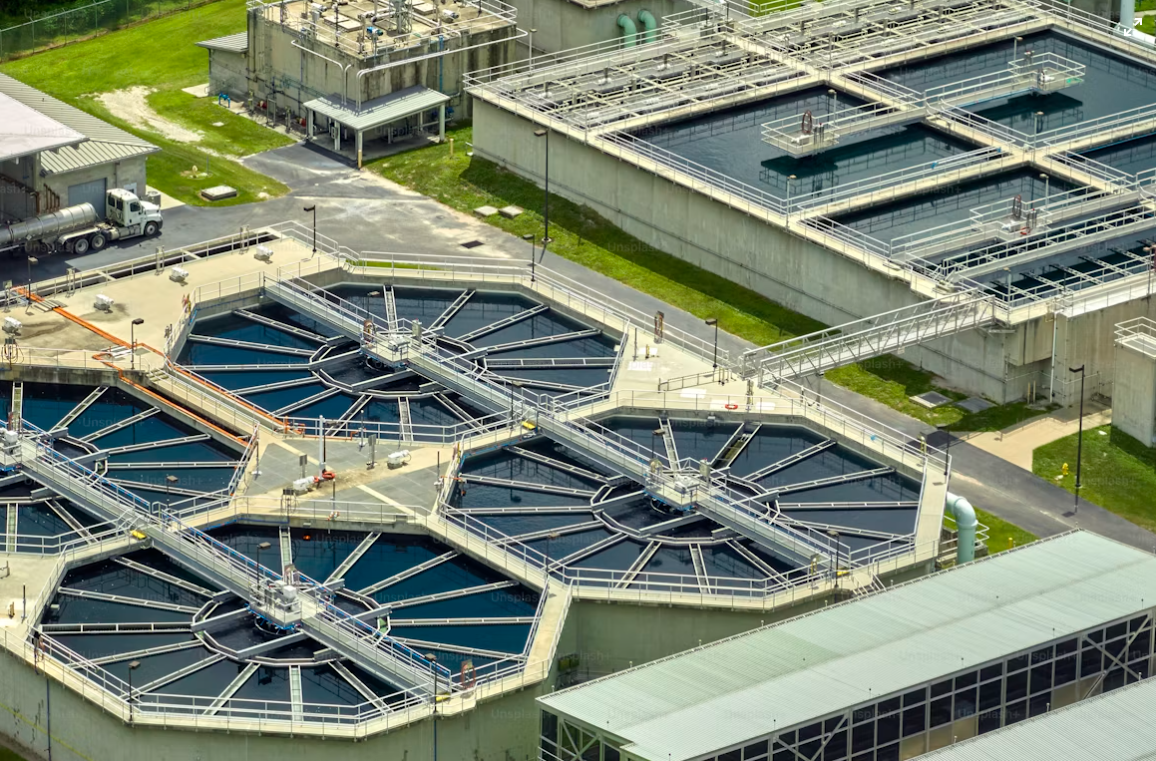
Coal-based activated carbon remains one of the most popular options for industrial water treatment.
Produced from high-quality anthracite coal, coal-based activated carbon offers:
- High mechanical strength
- Excellent adsorption performance
- Stable pore structure
- Low ash content
- Cost-effective operation
Both PAC and GAC can be manufactured from anthracite coal to meet the requirements of various industries, including wastewater treatment, municipal water purification, chemical processing, and environmental remediation.
Factors to Consider When Selecting PAC or GAC
- Water Quality
- Flow Rate
- Treatment Goals
- Budget Considerations
- Carbon Quality
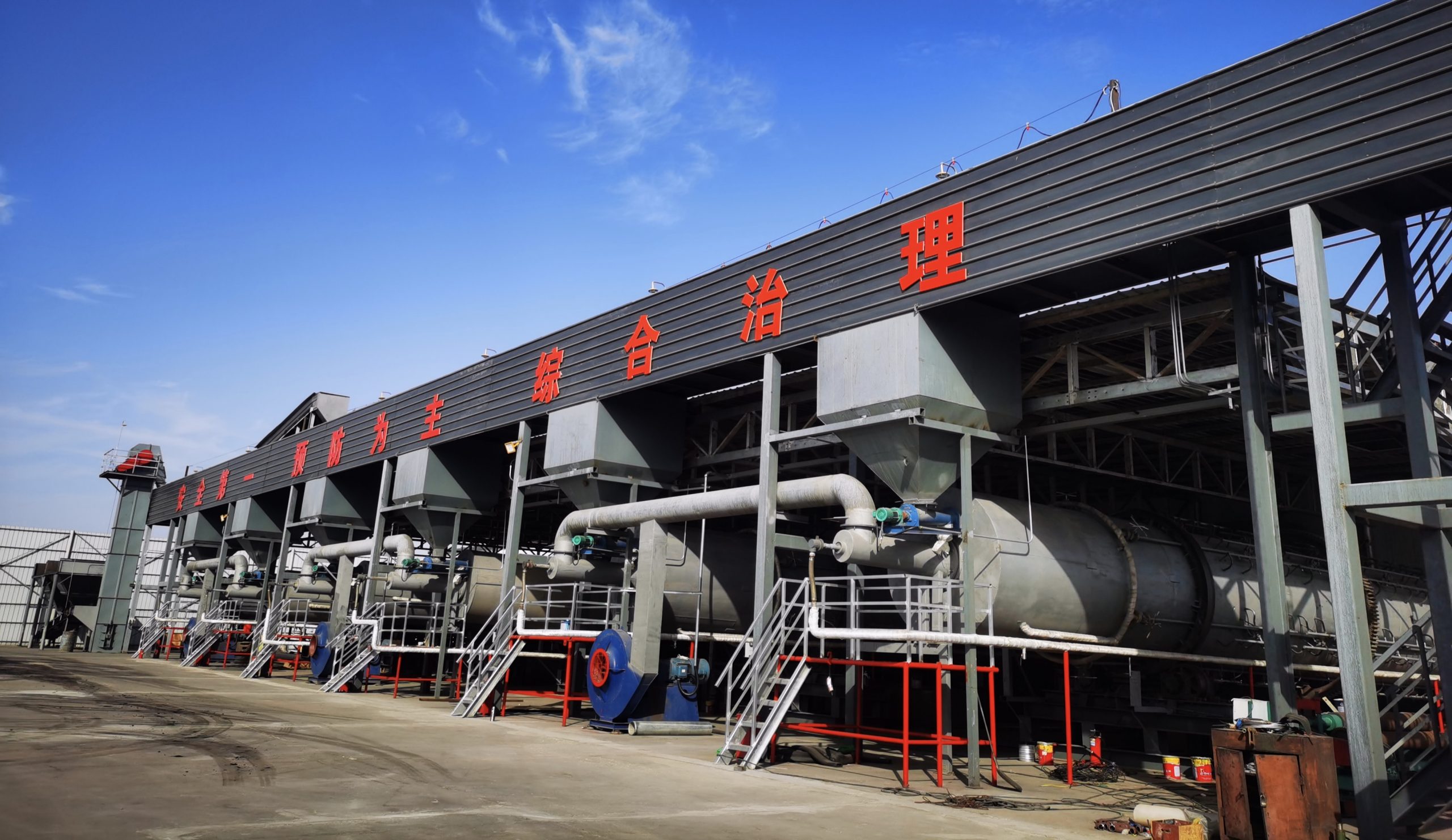
Why Work with an Experienced Activated Carbon Manufacturer?
The effectiveness of any activated carbon system depends not only on the type of carbon selected but also on manufacturing quality.
An experienced activated carbon manufacturer can provide:
- Consistent product specifications
- Custom particle sizes
- Technical support
- Stable international supply
- Quality assurance testing
Conclusion
Both Powdered Activated Carbon (PAC) and Granular Activated Carbon (GAC) play important roles in modern water treatment systems.
PAC offers rapid adsorption and operational flexibility, making it ideal for emergency treatment and variable water conditions. GAC provides long-term filtration performance and cost efficiency, making it the preferred choice for continuous treatment systems.
By understanding the key differences between PAC and GAC, water treatment professionals can select the most effective activated carbon solution for their specific applications.