Activated Carbon Manufacturing Process: From Premium Anthracite to Finished Powdered Carbon
High-quality activated carbon starts with high-quality raw materials and a carefully controlled production process. At our manufacturing facility, every step is designed to ensure consistent performance, high adsorption capacity, and reliable product quality. Here's how we produce our coal-based powdered activated carbon.
Step 1: Selecting the Right Raw Material
Not all coal is suitable for producing activated carbon.
We carefully select premium anthracite coal as our primary raw material. Compared with lower-grade coal, anthracite offers higher carbon content, lower ash content, and better mechanical strength. The quality of the raw material directly affects the performance of the final activated carbon product.
Choosing the wrong coal can compromise the entire manufacturing process. That's why quality control begins before production even starts.

Step 2: Carbonization and Activation
After raw material selection, the anthracite coal is fed directly into our integrated carbonization and activation furnace.
The process begins with carbonization, where volatile compounds are removed under controlled conditions. The material then undergoes activation, which creates a highly developed pore structure throughout the carbon.
The more pores that are created, the greater the surface area available for adsorption. This directly improves the activated carbon's ability to remove contaminants from water, air, and industrial processes.
One of the key advantages of our integrated furnace system is precise control over temperature and processing time. This ensures consistent quality from batch to batch and helps maintain stable product performance.

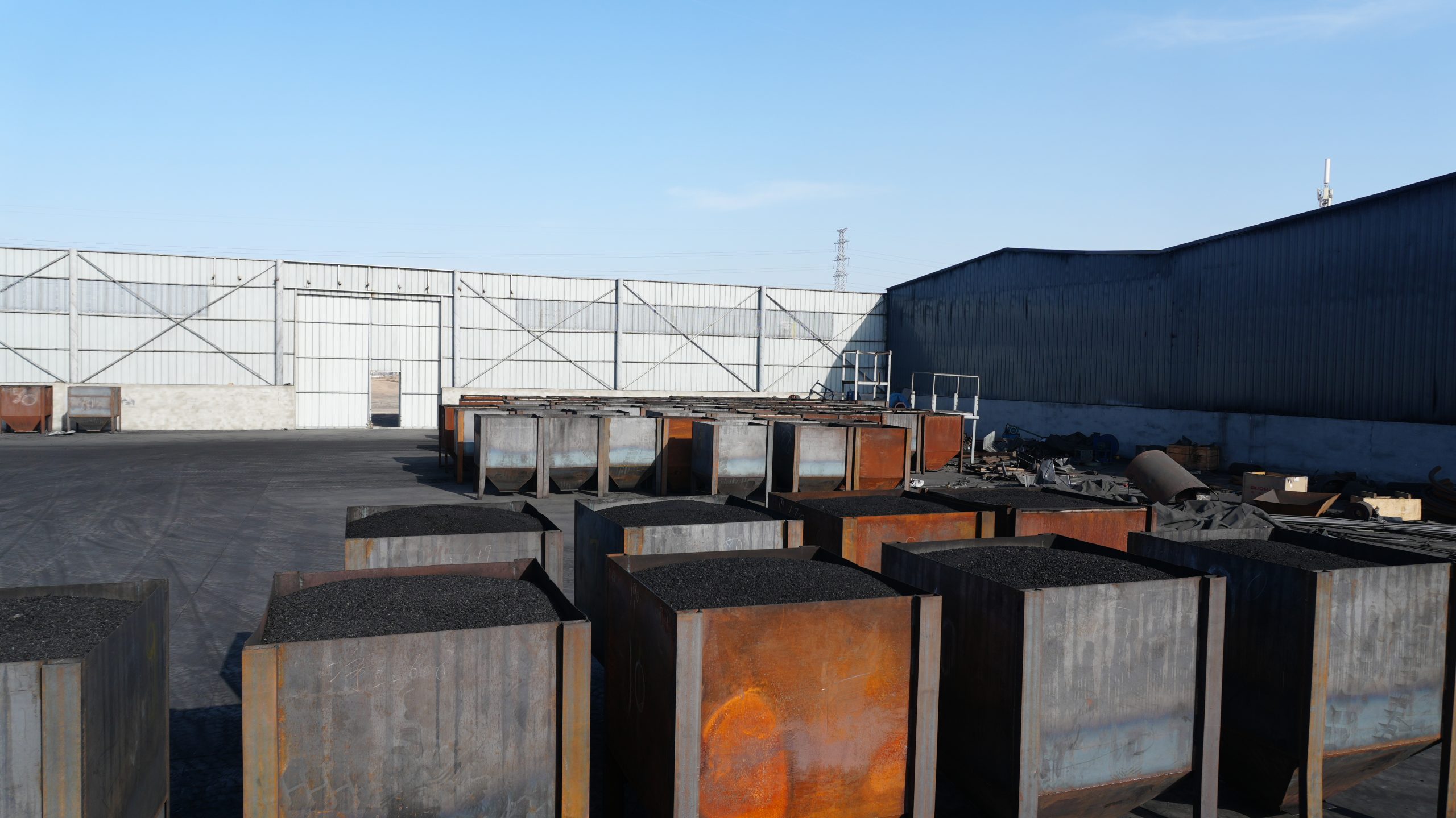
Step 3: Natural Cooling
Freshly activated carbon exits the furnace at extremely high temperatures.
Rather than cooling it rapidly, we use a natural cooling process that allows the material to gradually return to ambient temperature. This step is critical for maintaining product integrity.
Rapid cooling can lead to internal stress, cracking, and reduced mechanical strength. By allowing the activated carbon to cool naturally, we preserve its structure and ensure better durability during handling and application.
After cooling, the material remains in granular form and is ready for further processing.
Step 4: Grinding and Particle Size Customization
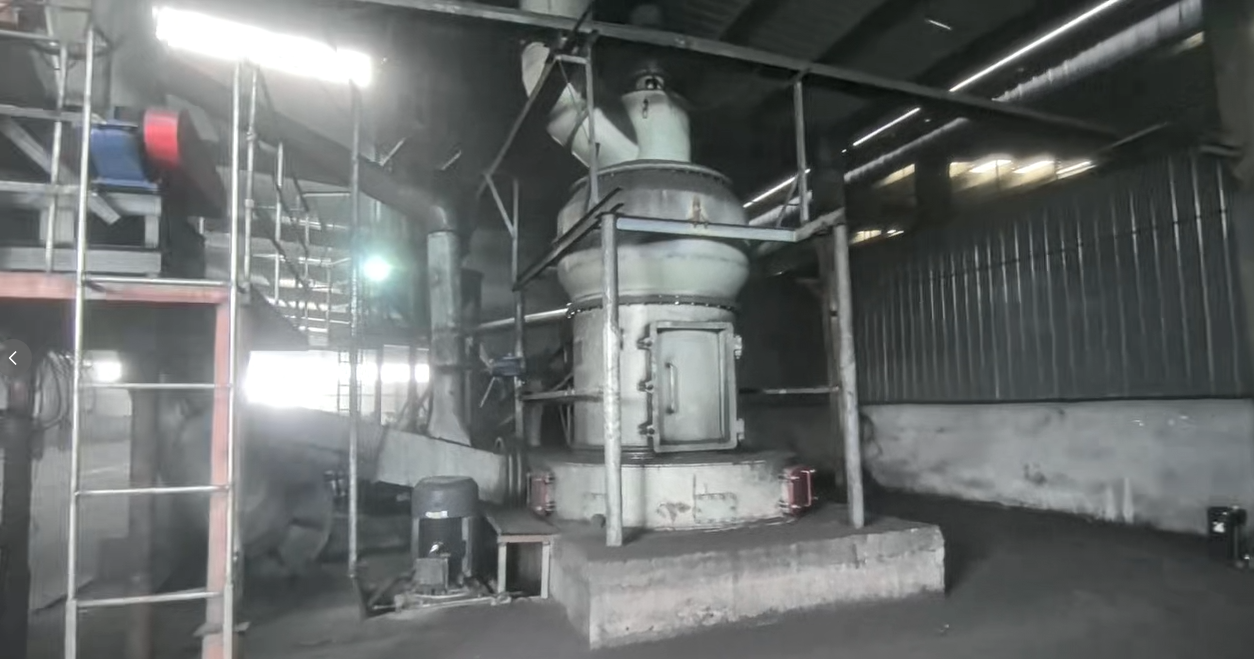
The cooled granular carbon is transferred to our grinding system.
Depending on customer requirements, we can produce powdered activated carbon with different particle sizes, typically ranging from 200 mesh to 325 mesh.
Different mesh sizes are suitable for different applications. Finer particles generally provide faster adsorption rates, while specific industries may require customized particle distributions to meet operational requirements.
Our flexible production capability allows us to tailor the product to each customer's needs.
Step 5: Automated Packaging and Shipment
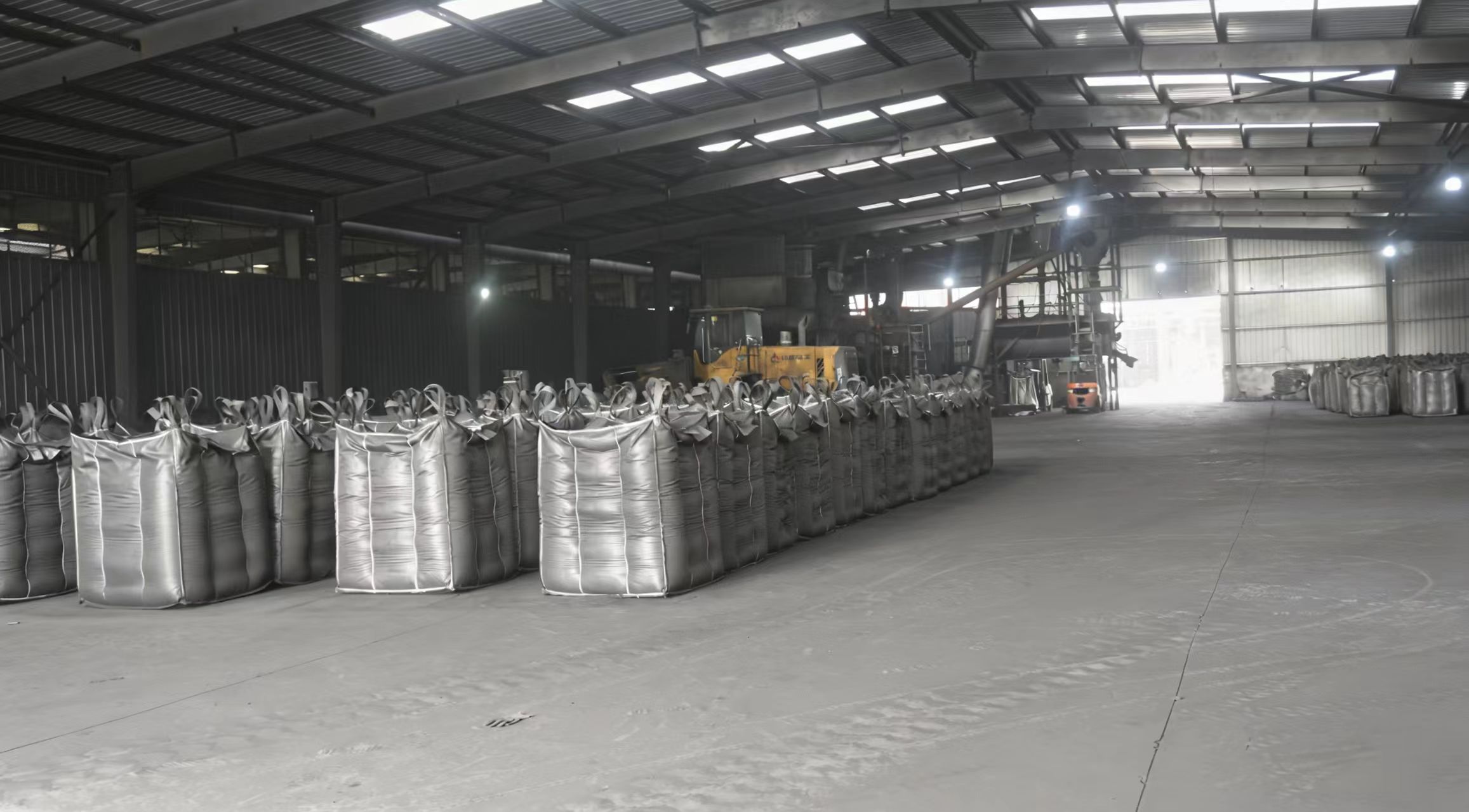
Once the activated carbon reaches the required particle size, it is transferred directly to our fully automated packaging line.
We offer customized packaging solutions to meet various transportation, storage, and usage requirements. Whether customers require small bags, bulk bags, or customized packaging designs, our production line can accommodate their specifications.
After packaging, the products are ready for immediate shipment to customers worldwide.
Quality Built Into Every Step
From carefully selected anthracite coal to precision activation, controlled cooling, customized grinding, and automated packaging, every stage of our manufacturing process is designed to deliver reliable and high-performance activated carbon.
With years of industry experience, advanced production equipment, and strict quality control standards, we are committed to providing activated carbon products that meet the demanding requirements of water treatment, wastewater purification, air filtration, and industrial applications around the world.